Translate

Wednesday, October 12, 2016

L.I.F.E practical reasons for the doctrine of the Trinity in the Christian life

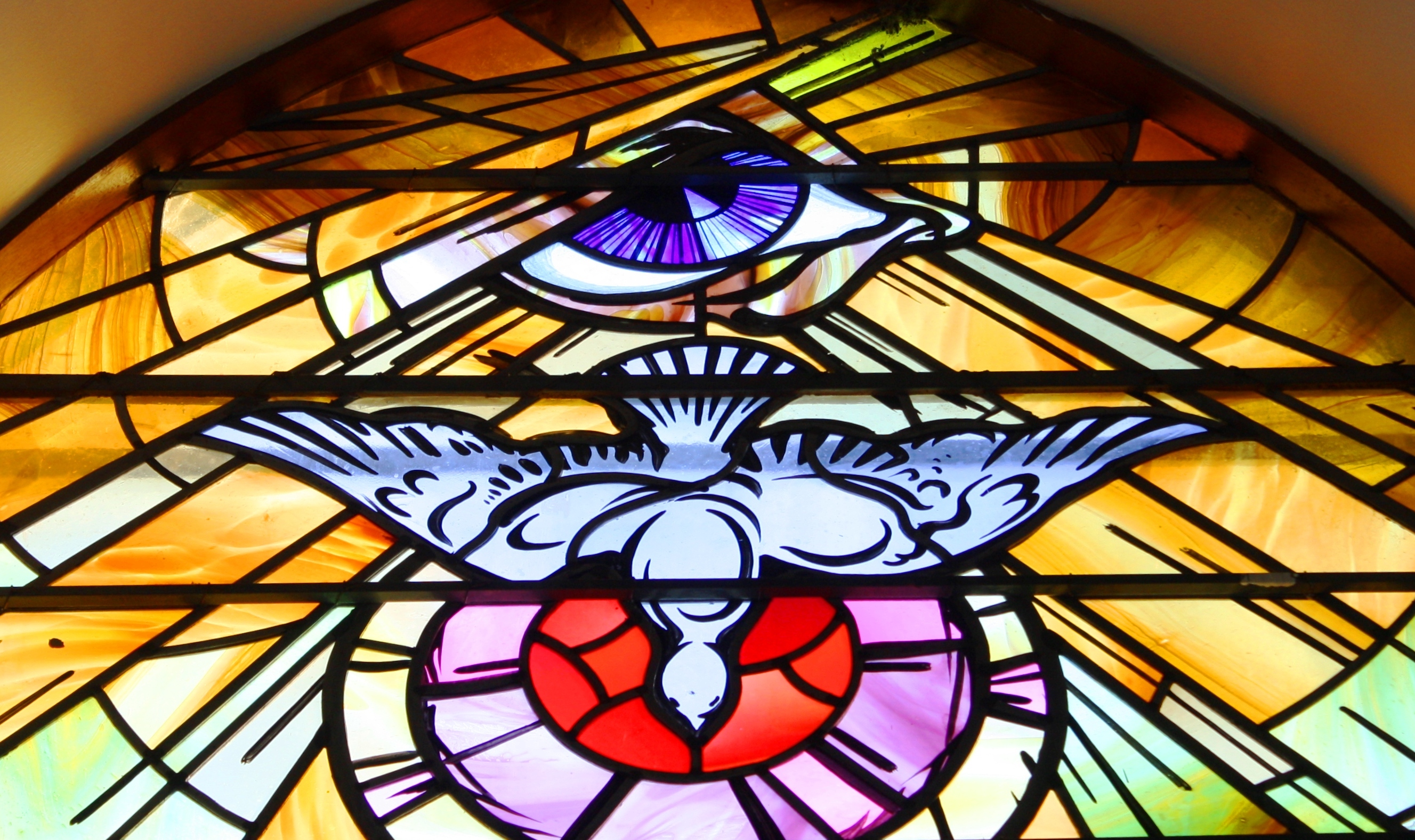
Image result for Trinity in stained glass windows
Philippians 2:1-4  "Therefore if there is any encouragement in Christ, if there is any consolation of love, if there is any fellowship of the Spirit, if any affection and compassion, 2 make my joy complete by being of the same mind, maintaining the same love, united in spirit, intent on one purpose. 3 Do nothing from selfishness or empty conceit, but with humility of mind regard one another as more important than yourselves; 4 do not merely look out for your own personal interests, but also for the interests of others. 5 Have this attitude in yourselves which was also in Christ Jesus."

Introduction:
So what practical importance does the doctrine of the Trinity serve in the Christian life in the 21st century? This was a question recently asked of me at our church. It is a vital question and it demonstrates the questioner's desire to go deeper in God. Sadly in so many American churches, the doctrine of the Trinity is at most verbally confessed by given far to little thought or attention in the pulpit. 

I can recall once when in seminary a prominent professor desiring to teach a class on the Trinity at the church he was a member and being told that there would likely be little interest in the subject. Writer A.W. Tozer has rightly noted that whatever a person thinks of when He is told to think about God will tell quite a bit about that person. Today I want to offer four practical reasons why the doctrine of the Trinity is l.i.f.e practical by ways of the acronym "l.i.f.e". Let's note each of them in their turn. First, the doctrine of the Trinity is very practical because....

Living for God requires the Trinity. Philippians 2:1-5
The read may had noticed that today's post opened with Philippians 2:1-4. In those verses the Apostle Paul deals with matters pertaining to Christian attitudes and actions. Attitudes and actions are the tracks upon which the Christian life daily rolls. However, this isn't some bare moralism or "will-power" religion. There is a reference point by which our behavior operates. Notice Philippians 2:5-7 "Have this attitude in yourselves which was also in Christ Jesus, 6 who, although He existed in the form of God, did not regard equality with God a thing to be grasped, 7 but emptied Himself, taking the form of a bond-servant, and being made in the likeness of men." In these few verses we have contained the elements contained within the Trinity. Undoubtedly the emphasis is placed upon Jesus Christ as truly God and truly man. 

With respect to His Deity, the Son shares in and reveals the Person of the Father, Who is indirectly assumed. After all, in order for the Son to be equal to God, that One with Whom He is equal must be another Person, who is revealed in other places as the Father (John 1:1; 1 Corinthians 8:6-7). With regards to Christ's humanity, scripture testifies that the humanity of Jesus was miraculously conceived by the union of the Person of the Son with the humanity of Mary by the Person of the Holy Spirit (see Isaiah 7:14; Matthew 1:21-23; Luke 1:35). 

What we find in Philippians 2:5-7 is the theological foundation for Christian living, namely the Trinity. But now let's notice a second life practical reason for the doctrine of the Trinity, namely...

Intercessory Prayer. Philippians 2:8-10
Why was it that the Son of God came to be incarnated as God in the humanity of Jesus of Nazareth? Moreover, why did He then go to the cross, rise from the dead and ascend into heaven as forever God and man? He did so to provide the basis for which Christians pray. Passages such as 1 John 2:1-2 and 1 Timothy 2:5 describe the exalted Jesus as the Mediator between the Father and believers. Since the Son ascended, He not only occupies the role as the Mediator for the Christian in heaven, but He also had sent the Person of the Holy Spirit, Who takes our prayers directly to Him. 

Passages such as Romans 8:26-27 remind us of the Holy Spirit's work in prayer here on earth. Thus all of Christ's finished work in the cross and empty tomb provided the basis for which He would carry on His work of intercession, and thus our own (see Hebrews 7:24-25). Again, the Trinitarian understanding of God as revealed in scripture makes sense of intercessory prayer, as well as living the Christian life. Now let's consider a third l.i.f.e practical reason for the doctrine of the Trinity...

Faith needs the Trinity. Philippians 2:9-13.
Within these next set of verses, the Apostle Paul is going to focus on two cardinal doctrines that, once again, are linked to the Trinity and which feed the Christian's faith. First, the ascension of Jesus entails His second coming. When Jesus Christ visibly returns, there will be no question regarding His glory and worthiness of worship. "God" (implying the Father) has highly exalted Him and alone knows the day and hour of the Son's return (Matthew 24:36; Mark 13:32). The second cardinal doctrine that is a major article of the Christian faith is that of the Christian's growth in sanctification. Philippians 2:12-13 bears out how we as Christians are to "work out our salvation with fear and trembling", since "God is working in us His perfect and pleasing will". 

Within the Trinity there is One will expressed and exercised by all three Persons. The Father has planned, the Son purchased so that the Spirit can apply the benefits of faith necessary for the Christian to co-operate in their process of sanctification with God. So as we can see, once again, the doctrine of the Trinity is practical for living, intercession and faith itself. Now let's consider one last l.i.f.e practical reason for the doctrine of the Trinity, namely...

Evangelism. Philippians 2:14-15
Paul writes in Philippians 2:14-15 "Do all things without grumbling or disputing; 15 so that you will prove yourselves to be blameless and innocent, children of God above reproach in the midst of a crooked and perverse generation, among whom you appear as lights in the world." The Christian's testimony and duty to share the Gospel with those around him is entailed in the Great Commission. 

Jesus tells us that we are to let our light shine before men so that they may praise our Father in heaven (Matthew 5:16). As He then gave the Great Commission in Matthew 28:18-20, it included the doctrine of the Trinity, with the Trinity being the emphasis in believer's baptism following saving faith. In sharing the Gospel, do we not appeal to the Father and the power of His Spirit as we proclaim the Son's death, burial and resurrection? Without the Trinity, our evangelism would be impossible. 

Closing thoughts
Today we gave four l.i.f.e. practical reasons for the doctrine of the Trinity for the Christian living in the 21st century:

Living the Christian life
Intercessory prayer
Faith
Evangelism 

As we aim to live the l.i.f.e in conjunction with the Triune God, may we think of Him more clearly, draw closer to Him more nearly and love Him more dearly. 

Tuesday, October 11, 2016

Meditating more on the Person of the Father in the creeds and confessions

Image result for stained glass window
1 Corinthians 8:6-7 "yet for us there is but one God, the Father, from whom are all things and we exist for Him; and one Lord, Jesus Christ, by whom are all things, and we exist through Him. 7. However not all men have this knowledge; but some, being accustomed to the idol until now, eat food as if it were sacrificed to an idol; and their conscience being weak is defiled."

Introduction
Yesterday we began considering the Person of the Father as He is described in ancient creeds and confessions. We meditated upon God the Father as He is expressed in the Apostle's creed, Nicene creed and Athanasian creed. These three particular creeds represent what the early Christians taught through the first five to six centuries of church history. Understanding our history is important, since we can trace how consistent we are today by how well we match the scriptures - which are the foundation of the Christian faith - and past generations of Christians in their attempts to do the same. Today we will conclude our meditation on God the Father through creeds and confessions by considering how He is expressed in more contemporary doctrinal statements. 

God the Father in relationship to the Son and Spirit as One God
The Father, Son and Spirit are co-equal, co-eternal and share in the One Divine essence, with the Father providing the reference point for all the relationships with the Son and Spirit, whilst the Son and Spirit in their relationship with the Father perpetuate the fullness of Deity shared between all three Persons. All three provide an equality of framework with reference to one another, while being distinct Persons possessing the One, united, Divine essence that makes them each truly God. The following doctrinal statements or confessions summarize the identity and nature of God the Father...

1. In this divine and infinite Being there are three subsistences, the Father, the Word or Son, and Holy Spirit, of one substance, power, and eternity, each having the whole divine essence, yet the essence undivided: the Father is of none, neither begotten nor proceeding

We fast forward 1100 years later to the Baptist Confession of 1689, wherein we find the language of the ancient creeds contained within this early expression of the Baptists. It must be grasped that in starting with the Person of the Father, two other crucial doctrines are understood: the Deity of Christ and the Personality of the Holy Spirit. As we pray to the Father, we also assume contact with the Son and Spirit, since all three are the One God revealed in the Old and New Testaments. This particular confession uses an older term for "person", namely "subsistence". Without going into too much detail, to speak of each Person of the Trinity as being a "subsistence" means each is a center of consciousness within the Godhead. This expresses how God is ever-relating within Himself and how, by nature, He is the relational God. 

2. God as Father reigns with providential care over His universe, His creatures, and the flow of the stream of human history according to the purposes of His grace. He is all powerful, all knowing, all loving, and all wise. God is Father in truth to those who become children of God through faith in Jesus Christ. He is fatherly in His attitude toward all men.

This final statement about the Father from the Baptist Faith and Message 2000 brings us up to modern day. We are reminded that the Person of the Father is known in "truth" in salvation. The "truth" here has to do with what occurs in saving faith in Jesus Christ through the scriptures. The Deity, providence and Personality of the Father is connected to the first part of the statement on God contained within the BFM 2000. The only way God the Father can become "Father" to anyone is by salvation by grace through faith in Jesus.  

Closing thoughts
We journeyed rather briskly through 2,000 years of church history to see what ancient and modern Christians have confessed with respect to the Person of the Father. It must be understood that any such statements are secondary in nature when compared to the believer's ultimate authority - the Bible. Still, it is valuable to know what Christian of the past have confessed. To see how the Person of the Father has been confessed and embraced can aid in deepening ourselves in the entirety of the Trinity. 

Monday, October 10, 2016

Meditating on the Person of the Father through creeds and confessions

Image result for stained glass window
1 Corinthians 8:6-7 "yet for us there is but one God, the Father, from whom are all things and we exist for Him; and one Lord, Jesus Christ, by whom are all things, and we exist through Him. 7. However not all men have this knowledge; but some, being accustomed to the idol until now, eat food as if it were sacrificed to an idol; and their conscience being weak is defiled."

Introduction
We have been exploring the Person of the Father within the Trinity for the last few posts. In exploring the Old and New Testaments, as well as Jesus' statements about the Father, we have aimed to get to know the Father better. Today we want to consider briefly what ancient Christians had to say about the first Person of the Trinity. The terms used for God the Father in the creeds of the early church aimed to expound His nature and His relationship to the Son and the Spirit. We will note briefly a few of the ways in which the main Christian creeds, both ancient and modern, articulate the Father.

1. I believe in One God the Father the Almighty, maker of Heaven and earth
This first statement about the Father derives from the Apostle's Creed. The term "creed" arises from the first word in the Latin of this statement, "creedo", meaning "I believe".  Although the final form of this creed likely did not become finalize until the first few centuries of church history, its summation of Christian doctrine represents older creeds (like the Old Roman creed), which served to summarize the Apostle's teachings by the latter part of the second to early third centuries. 

Much like the Apostle Paul's statement in 1 Corinthians 8:6-7, God as Father is understood as possessing the ability to create something out of nothing. Further reflection (especially from 1 Corinthians 8:6-7) reveals how even though one can infer the Creator God from general revelation in creation, the specific identity of this God as "The Father" is a truth derived from revealed scripture or "special revelation". 

2. I believe in one God, the Father Almighty, Maker of heaven and earth, and of all things visible and invisible.
This statement derives from the Nicene Creed, a major doctrinal statement from the 4th century. The description of the Father in this creed is similar to the Apostle's creed, with the further qualification of the realms of heaven earth being "all things visible and invisible". The "visible" realm includes our physical space/time universe that stretches some 40 billion light years, contains over 100 billion galaxies, countless stars, numerous planets and creatures such as dogs, cats and humans. The "invisible" realm is perhaps even more vast, with angels numbering in the trillions and immateriality expanding for who knows how far. Included in the invisible realm are the good angels, departed souls of Christian loved ones, the bad angels or demons and departed souls of those who rejected Christ and of course Satan. The invisible realm is portrayed in scripture as somehow interacting with the visible realm. We as human beings are the only beings that are both physical and non-physical, material in our body and immaterial in our soul/spirit. All this to say that this One God, Who is Father, Who is Son and Who is Holy Spirit, exercise His causal influence over every point and moment of time in the visible and invisible realms. This creed and the last emphasize the omnipotence of the Father in creating all things out of nothing. 

3. That we worship one God in Trinity, and Trinity in Unity; Neither confounding the persons, nor dividing the substance For there is one Person of the Father, another of the Son and another of the Holy Spirit.

This description of the Father is found within the creed called "The Athanasian creed. Although attributed to the fourth century church father Athanasius (who defended the Deity of Christ), the creed is likely a later development. As the Christian church continued to develop and refine its understanding of the doctrine of the Trinity, it came to express the Person of the Father not only with respect to His power, but moreso in terms of His nature and relationship to the Son and Spirit. Of interest in this creed is expressing how God can be One in being and Three in Person. 

Within this particular creed we find the Father described in terms of being uncreated, incomprehensible and eternal. Additionally, He is also described as God, Lord and Almighty. The other two Persons are also described in these terms, with the emphasis being that all three Persons share these qualities due to their unity in essence. We then find the interesting term "unbegotten and not made" used of the Father in distinction from the Son, Who is deemed "begotten, not made" and the Spirit Who "is not begotten, nor created, but proceeding" and of course not made. These terms serve to remind us that there is God, the Creator, and then there is everything else - the creation.  

Some theologians don't like this language, since it seems to imply that in some manner, the Father may have preeminence over the Son and the Spirit within the Trinity. Whenever we consider more closely the use of these terms, they serve only to distinguish the Three Persons in their relationships to one another. Moreover, whenever we consider the New Testament's description of the Son as "begotten" in passages such as John 3:16, the emphasis is about the unique relationship between the Father and the Son, as well as the fact they both are equal, share in the same nature and possess the same qualities of true and full Deity. 

It would seem to this writer at least that the Father, Son and Spirit are co-equal, co-eternal and share in the One Divine essence, with the Father providing the reference point for all the relationships with the Son and Spirit, whilst the Son and Spirit in their relationship with the Father perpetuate the fullness of Deity shared between all three Persons. All three provide an equality of framework with reference to one another, while being distinct Persons possessing the One, united, Divine essence that makes them each truly God.

Closing thoughts
The aim of these current posts is to get us to think high and feel deeper love for the God of the Bible as He is revealed as Father, Son and Spirit. The Father in particular is where scripture and the creeds of Christianity encourage us to begin such meditations. We cannot go long though without contemplating the other two Person, realizing that God is in and of Himself a perpetual movement of relating and sharing in self-giving love. Such activity overflows and in-effect, God extends to His creatures the invitation to participate and relate to Him. This, after all, was His original intent in creating all things and is His intended end for all who by grace through faith respond to His overtures of grace in the saving work of Jesus.  

Saturday, October 8, 2016

How the New Testament explains the Person of the Father

Image result for new testament
Matthew 3:16-17  "After being baptized, Jesus came up immediately from the water; and behold, the heavens were opened, and he saw the Spirit of God descending as a dove and lighting on Him, 17 and behold, a voice out of the heavens said, “This is My beloved Son, in whom I am well-pleased.”

Introduction:
We previewed yesterday what the Old Testament had to teach regarding the revelation of Yahweh as, in and by the Person of the Father. We noted that when considering all of the Old Testament data on the Person of the Father, two themes emerge: 

1). God the Father is the redemptive Father of the nation of Israel. He redeemed His people. Imagery such as He carrying Israel as a helpless son was found in the writings of Moses and the Prophets.

2). God the Father is also depicted in eternity as the One True and living God, Yahweh. Certain passage indicate that the Person of the Father had certain conversations with another figure called "The Son". Although the outline is very faint in the Old Testament, we nonetheless get a glimpse of the Pre-incarnate Son of God who in some fashion has shared in a pre-existent, eternal relationship with the Heavenly Father. It will take the New Testament revelation of the Gospels, Acts, Epistles and Revelation to bring out the details of the nature of the relationship carried on between the Father and the Son.

Today we want to walk our way through the New Testament material. It must be underscored that in comparison to the Old Testament passages on the Father, the New Testament mentions the Person of the Father over 100 times. When the Person of the Son appeared in His incarnation as Jesus of Nazareth, references to the Father, especially in personal terms, expanded many times over. 

The appearance of Jesus Christ as the eternal Son in human flesh ever increased how we understand the Father in relationship to Him and to the people of God through Him. Theologian Michael Horton notes on page 274 of his theological volume: "The Christian Faith":

"If the New Testament affirms monotheism, however, it is also the Christian claim that the Old Testament already anticipates some sort of plurality when three distinct actors appear on the stage in Israel's history, sometimes even in the same scene, each identified as God. On the basis of the new thing that God had accomplished in Jesus Christ, the early Christians were directed by Jesus (especially in his postresurrection instruction reported in Luke 24) to reread the Old Testament texts with Him at their center."

With these thoughts in mind, I will simply list key New Testament passages and bear out a scant few remarks, since the material is overwhelmingly vast. 

Surveying the New Testament material on the Person of the Father
Matthew 3:16-17. The Father is bearing witness from heaven about the Eternal Son in human flesh. We also see the Person of the Holy Spirit descending down as a manifested dove. All three Persons of the Trinity make their appearance in this text. Jesus does not become the Son at the moment of His baptism. Rather, the Father is bearing witness of an eternal identity that has been enjoyed by the Person incarnated as the man, Jesus of Nazareth. In short, Jesus is the son of Mary with respect to His human nature and the Son of God with reference to His Divine nature.

Matthew 6:1-37. In the midst of Jesus "Sermon on the Mount" we find ten references to the Person of the Father. He is depicted as the Heavenly, Kingly and Merciful Father to His people.

Mark 8:38. Jesus refers to how He will appear a second time in the glory of His Father and the heavenly angels.

Luke 10:22. We read "All things have been handed over to Me by My Father, and no one knows who the Son is except the Father, and who the Father is except the Son, and anyone to whom the Son wills to reveal Him.” Jesus makes knowing the Father central to what is entailed in Personal saving faith in Him. 

John 6:46, 17:5. These two passages respectively are used by Jesus to show how with respect to the Father, He shares in the same Divine nature as He. The Oneness of the Father and the Son in being is asserted by Jesus, and thus constitutes the cornerstone for His claims to Deity. The later verse speaks of the meaning of eternal life or salvation: to know the truly and living God and Jesus Christ whom He sent. The Father is undoubtedly the One who sent Jesus. Both are distinct Person, yet One God - and thus the Son is as much the source of salvation as the Father. 

The Book of Acts. We find no less than five references by name to the Person of the Father. The Father is credited with having sent the promised Holy Spirit in, by and through the Son. He is the God who raised Jesus from the dead. The Father has authority in the realm of decreeing times, seasons and regulating all history, including the timing of the cross, the appearance of Christ in His first coming and what will be the second coming of Christ. The theological development of the Deity and worship of Jesus is predicated upon the Jewish Old Testament conception of the Person of the Father, with Whom He shares in one undivided Divine nature. 

The New Testament letters. We could detail the numerous references to the Father found in Paul's letters and the General Epistles. We can note how often Paul makes reference to the Father, along with the Son, as the common source of grace, mercy and peace. This common greeting at the beginning of most of his letters tells us that the early Christian movement, from its inception, saw the Father and the Son as One common source, further providing an important bridge to what would be a fully developed doctrine of the Trinity. The general letters (Hebrews-2 Peter) will interchange the Divine titles between the Person of the Father and the Person of the Son. It is astonishing to see the progressive revelation of scripture unfold from Old to New Testament with respect to the Father and the Son as Divine members containing true union in Deity and Deity expressed as a diversity of Persons (Father, Son and of course, the Holy Spirit).

The Book of Revelation. After the astonishing opening chapter, wherein we find depicted the full deity of the glorified, ascended Christ, we arrive at chapters 4 and 5. In Revelation 4 and 5 we find both Persons being worshiped and extolled. The Father is worshiped in Revelation 4:11 - “Worthy are You, our Lord and our God, to receive glory and honor and power; for You created all things, and because of Your will they existed, and were created.” The throne of God and the Lamb are treated so intimately together as to seem one and yet, both are clearly distinguished. In Revelation 5:13 we read -  “To Him who sits on the throne, and to the Lamb, be blessing and honor and glory and dominion forever and ever.”

Closing thoughts
We have only sampled a small portion of the vast New Testament development of the Father. We find that in His unique relationship with Jesus, the foundation for Jesus' claims as God in human flesh is established. Both Persons are understood to have shared the One Divine nature from all eternity. The Son came to assume humanity, whilst never ceasing to be God. The Father was ever at the center of Jesus' experience of Him as man and at the same time, they ever had unbroken fellowship within the Godhead. The Father's sending of the Holy Spirit would become yet another element in the New Testament's development of the Triune understanding of God. May we ever endeavor to get to know the Father. 


Friday, October 7, 2016

The significance of the Old Testament revelation of God the Father

Image result for tabernacle in the wilderness
Deuteronomy 1:31 "and in the wilderness where you saw how the Lord your God carried you, just as a man carries his son, in all the way which you have walked until you came to this place.’

Introduction:
Today's post will aim to capture some of the touching portraits of God the Father in the Old Testament. In about ten places we find reference to God as Father to His people. The imagery of a Father to son relationship is used throughout the Old Testament to capture the redemptive relationship between Yahweh and the people of God. The details contained within this motif provide the basis for some of the most amazing truths we find of the Person of the Father. When we arrive in the New Testament, Jesus uses this Old Testament framework as a launching point for His unfolding of the Father's identity. 

Furthermore, the Old Testament understanding of the Father gives hints to the Divine relationship that has been eternally carried on between the Father and the Son. Such an understanding opens the door to fully understanding the Triune identity of the One God of scripture. So, let's consider briefly some of these incredible passages as we aim to know the Heavenly Father better.

1. Deuteronomy 1:31. The Book of Deuteronomy is where we begin when understanding the Person of the Father in relationship with His people. In this passage, we see the Father carrying Israel, His people, illustrated as a helpless son. For those familiar with the wilderness wanderings of the people in the Book of Numbers, they did not deserve such gracious, tender treatment. Nonetheless, the point of this metaphor is to convey that the basis of the Father's relationship with His people is His powerful grace, not their performance. Deuteronomy 32:6 and 32:10-11 mention further how the Father redeemed His people and would ever identify Himself as their Saving God.

2. Isaiah 46:3-4. The prophet Isaiah would write his prophecy under the inspiration of the Holy Spirit some 700 years after Moses and 700 years before Christ. Once more, we find this theme of a Father carrying a child that is incapable of saving itself. Note what we find in Isaiah 46:3-4 “Listen to Me, O house of Jacob, And all the remnant of the house of Israel, You who have been borne by Me from birth And have been carried from the womb; 4 Even to your old age I will be the same, And even to your graying years I will bear you!
I have done it, and I will carry you;
And I will bear you and I will deliver you."  

This theme is carried on by Isaiah in Isaiah 63:9 "In all their affliction He was afflicted, And the angel of His presence saved them; In His love and in His mercy He redeemed them,
And He lifted them and carried them all the days of old." We discover in Isaiah's prophecy an explicit reference to God the Father as the one who endured maltreatment from His people in Isaiah 63:16 "For You are our Father, though Abraham does not know us and Israel does not recognize us. You, O Lord, are our Father, Our Redeemer from of old is Your name." There is no doubt regarding the goodness of the Father and the undeserved grace with which He continued to dispense to a people that persisted in rejecting His overtures of grace. Such patterns provide the backdrop and repeated themes we find in the New Testament. The Person of the Father in the Old Testament is a good, gracious Person who intends to save those He has placed His affection. 

3. Hosea 11:3 The prophet Hosea echoes the imagery of the Father carrying his limp. helpless son through a desert wasteland in Hosea 11:3 - "Yet it is I who taught Ephraim to walk, I took them in My arms; But they did not know that I healed them." This blindness and darkness in which the nation of Israel walked with respect to God the Father's efforts is a small-scale version of how the entire world functions. The Old Testament portrays the Person of the Father as consistently good, gracious, merciful and redemptive. Mankind, whether understood in the entirety of Adam's fallen race or in the smaller picture of Israel, is incapable and unwilling to yield to God's efforts to save. Only grace shining upon the unwilling heart can open it as sunlight falling on a spring flower to open the petals which would otherwise be closed in the darkness of sin. The flower of the human heart which is open will in faith receive what the Father has been offering - salvation, redemption and promise of an eternal relationship with Him.

4. Psalm 74:2 In our readings of the Old Testament revelation of God the Father thus far, we have seen touching portraits of a Father carrying a helpless son in His arms. Here in Psalm 74:2, we find another image, namely of the Father dwelling among His people. Note what we read - "Remember Your congregation, which You have purchased of old, Which You have redeemed to be the tribe of Your inheritance; And this Mount Zion, where You have dwelt." Whether we are talking about the revelation and construction of the Tabernacle in the wilderness as revealed in Exodus and Leviticus or the temple constructed by Solomon in 1 Kings, God the Father desired to be among His people. 

The tabernacle in the wilderness captures what God's plan ultimately would be once Jesus came on the scene. As the Father "tabernacled" Himself among the people in a tabernacle of cloth and wood (or in the case of the temple, wood and stone), the stage was being set for the Person of the Son to tabernacle among the people in flesh and blood as a man. 

Just as the Father's occupancy was made possible by the Person and work of the Holy Spirit in the Old Testament, so was the incarnation of the Son brought to pass by the Holy Spirit in the New Testament. The Son came to do His Father's work and undoubtedly, came to imitate in a fuller way what the Father had done in the Old Testament - namely to tabernacle Himself among the people. 

5. Psalm 2:7-8 As we consider one more cluster of Old Testament passages in attempting to understand the Person of the Father in the Old Testament, we find references to the Father's relationship to the Son. The Old Testament not only provides ample material for identifying the One God of Israel as the Person of the Father, but we also get hints of at least One other co-equal Person sharing in the same glory with the Father. 

Psalm 2:7-8 states: “I will surely tell of the decree of the Lord: He said to Me, ‘You are My Son, Today I have begotten You. 8 ‘Ask of Me, and I will surely give the nations as Your inheritance, And the very ends of the earth as Your possession." David is the author. What starts out as a seeming reference to himself quickly switches to the heavenly realms. David gives us a prophetic gallery seat to listen in on a conversation between the Father and the Son in eternity. 

Interestingly enough, we find a remarkable statement in Proverbs 30:4-5 that hints at the reality of the Pre-incarnate Son in relationship to the Father: "Who has ascended into heaven and descended? Who has gathered the wind in His fists? Who has wrapped the waters in His garment? Who has established all the ends of the earth?
What is His name or His son’s name?
Surely you know! 5 Every word of God is tested; He is a shield to those who take refuge in Him."

Conclusions:
Today we aimed to reflect on the Person of the Father in the Old Testament. We noted how the Old Testament gives us two basic lines of thought regarding the Father. First, He is Yahweh, Jehovah God who redeemed His people. The Person of the Father nationally identified Himself with the nation of Israel. Israel was portrayed as a helpless child, incapable of saving itself. 

The Father's faithfulness, grace and love was undeserved and often rejected. Such a pattern is re-echoed and amplified in the New Testament through the ministry and work of Jesus Christ. Jesus often-times spoke of how the Father had sent Him to a people and a world that, apart from grace, did not deserve nor could save itself. So, we find the Father's work in relationship with the people He long to redeem (see 2 Corinthians 5:15-21).

Then we saw a second cluster of passages which pulled back the curtain to give glimpses of the relationship the Father has always had with the Son. The Person of the Son existed before His incarnation in the flesh in the New Testament. Moreover, the nature of the relationship the Father has had with the Son precedes the existence of the world and, is eternal. Such "hints" suggest what we find explicitly to be the case in the New Testament - namely that the Father and the Son have always shared in the One, eternal Divine nature (along with the Holy Spirit). 

It would be in this framework of themes that Jesus would express His full and undiminished Deity in His visible expression and revelation of the invisible Father who sent Him. He as the eternal Son in relationship with the Father came into our world to partake of true humanity. Jesus, in His humanity, was the human representative who walked out perfectly the covenant as a son in relationship to the Heavenly Father, something which Adam, the whole of the world and Israel in particular had failed to do. Both clusters of Old Testament passages find their fulfillment in the Person and work of Jesus Christ. The Old Testament revelation of God the Father is invaluable for helping us to grasp the fuller revelation of Him by Jesus Christ in the New Testament. May we aim to get to know Him more through Jesus Christ. 

Thursday, October 6, 2016

Practically considering why it is important to know God the Father

Image result for fathers
Galatians 4:6-7 "Because you are sons, God has sent forth the Spirit of His Son into our hearts, crying, “Abba! Father!” 7 Therefore you are no longer a slave, but a son; and if a son, then an heir through God."

Introduction:
Every reader has a father or had had one. Some readers had good dads, others had absentee ones. Some reading this post today may have had bad experiences or none at all. For others, perhaps your father passed away. Mine has been gone for two years. I miss him. In my Christian-life at least, I have found my own conception of "father" being constantly taught. Whatever the situation, everyone has had some experience of fatherhood. 

Oftentimes I come across Christians who have no issue connecting with Jesus as Savior and Lord. Moreover, when it comes to the Person and work of the Spirit, many Christians are receptive to His aids and comforts. However, when it comes to the First Person of the Trinity - The Father - there is often that disconnect. 

Every Christian from conversion onward is being retaught about the concept and identity of "Father"
In the above opening verse of today's post, we find the Holy Spirit's ministry of aiding the Christian to verbalize God as "Abba" or "Father". As I said a moment ago, all of us have had some sort of experience with fathers. Even if one's experience was a good one, a "good dad" is still imperfect. There are times where even good dads will falter and fail. By nature, the father in human families functions as an illustration of the "Heavenly Father". Sadly, because of the fallen condition of our world, that "Father image" is expressed in broken ways. As Jesus teaches in Luke 11:13 "If you then, being evil, know how to give good gifts to your children, how much more will your heavenly Father give the Holy Spirit to those who ask Him?” It is this blogger's conviction that Satan's tactic is to undermine the concept and revelation of "Father" as much as possible, since knowing God the Father is so central to salvation.

More often-than-not, our human fathers give to us a certain image of father that we bring into our salvation experience. To experience salvation is to come to a true knowledge and relationship with God in the Person of the Father. Jesus defines what it means to have eternal life in John 17:1-3 "Jesus spoke these things; and lifting up His eyes to heaven, He said,“Father, the hour has come; glorify Your Son, that the Son may glorify You, 2 even as You gave Him authority over all flesh, that to all whom You have given Him, He may give eternal life. This is eternal life, that they may know You, the only true God, and Jesus Christ whom You have sent."

Henceforth, the remainder of the believer's sanctification (that process whereby the Holy Spirit is conforming the Christian to the attitudes and actions of Jesus Christ as they co-operate with Him) is all about re-learning Who and what the Father is all about. 

Three practical reasons for getting to know the Father as a Christian
Let me offer three applications for Christian living that correspond to the three points brought out in the last few days:

1. Having the presence of the Father ensures that I never am alone, orphaned or without assurance. Only the Lord Jesus Christ, in His finished work at Calvary and His continuing mediation for the Christian in heaven can minister this profound reality. The Lord Jesus Christ brings to us the presence of the Father and the Holy Spirit connects us to the Person of the Father. 

2. Having the Person of the Father available to me as a Christian means I can enjoy all the benefits of adoption in sonship. The Holy Spirit ever reminds the Christian that they are a child of God through adoption (see Romans 8:14-16). My own sense of identity in a world where my earthly father no longer resides is securely anchored in the Person of God the Father by the Person and work of the Holy Spirit.


3. Having the Paternal power of the Father through the Bible gives me strength for daily living. The desire to pray and talk to my heavenly Father is fed by the scriptures. When I find myself under His Fatherly discipline, I'm reminded of His unfailing love (see Hebrews 12:4-5).

Wednesday, October 5, 2016

Getting to know God the Father in Matthew 6

Image result for God the Father
Matthew 6:9 “Pray, then, in this way:
‘Our Father who is in heaven,
Hallowed be Your name."

Introduction:
Do you remember the first time you ever met the significant people in your life? I'm talking about your spouse, maybe when you first saw your newborn children or a lifelong friend. We always want to know what they are like and who they are in their identity. 

God is without question the most important Being we could ever know. He meets us where we are at. When we first trust in God, we come to understand that He is identified in the Bible as three Persons: The Father, the Son and the Holy Spirit. The Father is designated the First Person of the Trinity due to the fact He is the First Person we meet in scripture (Genesis 1:1). As is the case with the other two Persons, the Father is in and of Himself truly God in relationship with the other two Persons which are each truly God. All three Persons share in the One Divine "Godness" or "Divine nature", with the Divine nature located within all three Persons.  

Today's post aims to unfold the identity and nature of the First-Person of the Trinity: the Father. Matthew 6 will be our target text as we hear Jesus unfold the identity and being of the Father, and how we can know Him.

God the Father is the Heavenly Father. Matthew 6:1,9,14,26,32
On five occasions Jesus makes reference to the Person of God the Father being "the Heavenly Father". As the Heavenly Father, we find that the only way one can know God as his Heavenly Father is through faith in trust in Jesus Christ. Indeed, God as the Father is the source from whence all creatures here on earth derive their physical life and being, since He (along with the Son and Spirit) is God, Creator of all things. We could say God the Father exercises "Fatherly care" toward his creation as the Good God. Acts 17:28 notes for instance: "for in Him we live and move and exist, as even some of your own poets have said, ‘For we also are His children." 

We mustn't read into Acts 17:28 or the other passages that speak of His providential care and goodness towards creation some sort of "Universal Fatherhood" idea which negates the exclusivity of salvation in Jesus Christ. The Baptist Faith and Message 2000 lays out clear distinctions with respect to how one truly knows God the Father: 

"God is Father in truth to those who become children of God through faith in Jesus Christ. He is fatherly in His attitude toward all men."

Just as I can be "fatherly" towards children in general and yet be only and truly the father of my own children, such distinctions roughly describe how we conceive of God the Father's relationship to creation and His people. 

Jesus' use of the title "Heavenly Father" clearly implies that the person who prays to Him and receive from Him is in relationship with Him in saving faith. 
The concept of "Heavenly Father" on the lips of Jesus would had been familiar to the Jews. Ben Witherington III and Laura M. Ice in their book: "The Shadow of the Almighty - Father, Son and Spirit in Biblical Perspective" list the following Old Testament texts that refer to God the Father: Deuteronomy 32:6; Ps 2:7; Ps 89:26-28; Isaiah 64:6-8; Jer. 3:19; Hosea 11:1-9; Malachi 2:10. 

What made Jesus' usage of this title so unique was the fact that He was encouraging his disciples to pray individually to the "Father in Heaven". 
In Jesus' use of the phrase "Heavenly Father", we find that God the Father is:

1. Personally known by saving faith (see discussion above and Matthew 6:9 where we see the personal pronoun "our Heavenly Father")


2. Perfectly Powerful, meaning He is omnipotent (Matt 6:33) and omniscient (six times Jesus mentioned the Father being able to "see in secret", as well as the Father "knowing what we need before we ask" in Matthew 6:8) and holy (Hollowed be Your name" - Matthew 6:9). The Baptist Faith and Message 2000 summarizes this point:
"He is all powerful, all knowing, all loving, and all wise."

So God the Father is the Heavenly Father, but notice also what Jesus says about God the Father, namely He is....

God the Father is the Kingly Father. Matthew 6:10 and 6:33 
Jesus unfolds the fact that there is a Kingdom, a realm over which God the Father exercises His reign. 

1. The Kingly Father has a Kingdom. 
This "Kingdom of God" concept dominates so much of the Four Gospels that it occupies the center of Jesus' preaching and teaching ministry. Jesus urges his listeners to make the Father's Kingdom a pressing matter of prayer. 

2. The Kingly Father exercises His will. 
Added to these admonitions is the fact of the Father's will. As Jesus operated through His humanity, He Himself possessed a distinct human will and a distinct Divine will in union with the Father. Jesus' remarks aim to show how the Kingly majesty of the Father includes the exercise of the Divine will of God, of which He as co-sharer with the Father operated. 

The Baptist Faith and Message 2000 notes the following about the Kingly majesty of the God the Father:

"God as Father reigns with providential care over His universe, His creatures, and the flow of the stream of human history according to the purposes of His grace."

Perhaps one of the most practical statements one can find regarding the Father's kingly rule and kingdom is in Matthew 6:33 - "But seek first His kingdom and His righteousness, and all these things will be added to you."

So we find that God the Father is identified as the Heavenly Father and as the Kingly Father. Let's consider today one final thought as we are getting to know God the Father from Jesus' teaching in Matthew 6....

God the Father is the Merciful Father. Matthew 6:11-34
It bears pausing here briefly to consider how one becomes convinced that God the Father is both Kingly or worthy of worship and merciful or truly and honestly good. Both concepts of general, overall fatherhood are often called into question in our culture. 

One of the main tasks of the Holy Spirit following our salvation is to reteach us what the concept "Father" means. Some reading this perhaps never had a father. Others may had a father, but that father was abusive, or left or passed away. Even if one had a so-called "good father" growing up, there were bound to be those times when one's earthly father disappointed or failed. Quite frankly, one of the devices of the enemy is to cloud people's concepts of God the Father and replace their conceptions with lies and deceit (after all, Jesus calls Satan "the father of lies" in John 8:44).

With that caveat, we briefly consider this last point of God the Father as a merciful Father. We can note several related thoughts in Matthew 6:11-34. 

1. The merciful Father is pleased to forgive sins. Matthew 6:12-15

2. The merciful Father provides for our needs. Matthew 6:11, 25-34

3. The merciful Father hears the prayer. Matthew 6:16-18, 21,33.

Closing thoughts:
Today we looked at what Jesus had to teach us in getting to know God the Father. We noted three truths about God the Father:

1. He is the Heavenly Father
2. He is the Kingly Father
3. He is the Merciful Father