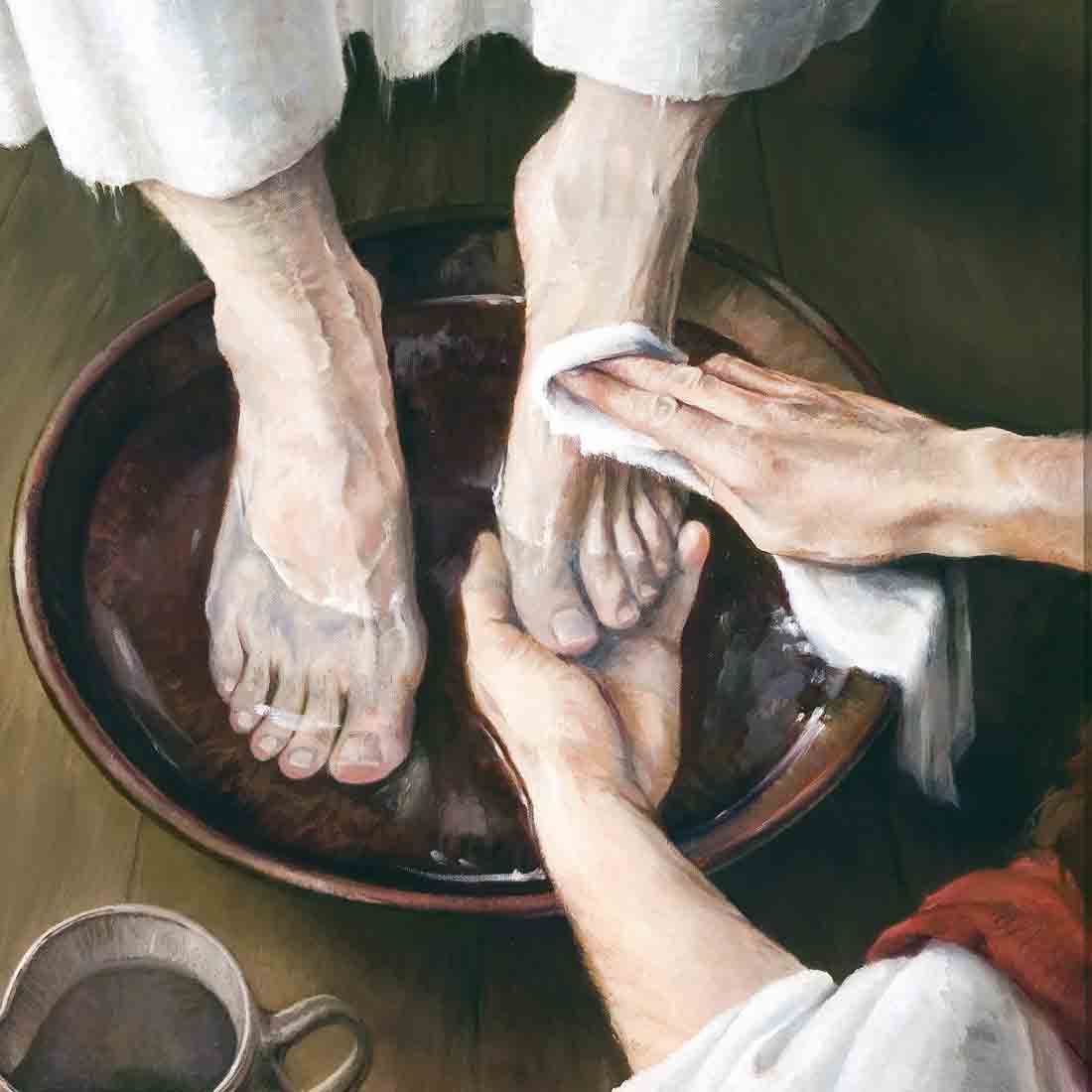
 1 Peter 3:10 "To sum up, all of you be harmonious, sympathetic, brotherly, kindhearted, and humble in spirit; 9 not returning evil for evil or insult for insult, but giving a blessing instead; for you were called for the very purpose that you might inherit a blessing."
Introduction:
Whenever one talks about "God's calling", reference is made to the urgency He places upon our hearts to follow His leading. Salvation is the most important calling, issued forth to sinners (see 1 Corinthians 1:18-21; Ephesians 2:1-10; 1 Peter 2:21; 1 John 3:1). The Christian life following from salvation is a call to walk in a manner worthy of such a calling (see Ephesians 4:1). The calling of God to Christian living is a calling to bear forth spiritual virtues - i.e. "the fruit of the Spirit" (see Galatians 5:22; 2 Peter 1:3-11). One such virtue that brings the believer closest to the character and Person of Christ is that of humility. In today's post we want to explore Peter's exposition on the call to humility in 1 Peter 3:1-21.
Distinguishing Between Obedience And Humility
Whenever we think about the words "obedience" and "humility", what comes to mind? Obedience is associated with "duty", "allegiance" or "doing what has to be done". Obedience carries with it the sense of moral obligation. Hence, it is every person's moral obligation to heed the Gospel. Whenever one responds in saving faith, they are taking upon themselves a response to the urgency of their souls: believe, repent and be saved from the wrath to come (see Romans 5:9-10; 1 Thessalonians 1:10).
Oftentimes in the Christian life, obedience is that initial step in exercising one's faith in God. In obedience, I know what I "have-to-do". Duty ties my faith to the commands of scripture. 1 John 5:3 states - "For this is the love of God, that we keep His commandments; and His commandments are not burdensome." Therefore we could say that obedience deals in the realm of "have-to's".
Humility differs in kind from obedience. Unlike its cousin obedience, humility emphasizes voluntary action on the part of the one exercising humility. Humility is where I go from "having-to" to "wanting-to". In as much as Jesus did indeed obey the Father in coming to earth as God-incarnate (see Hebrews 10:1-5), His mission was not based only on obedience. The Savior of men did what He did willingly. Jesus acted out of desire - not bare obligation. Humility is where I yield to another out of voluntary desire.
The truly humble child of God has crossed the threshold of obedience. They recognize God's commanding authority in their life. Humility is desiring to carry out in relationship and submission to others what one has learnt in obedience. Only when one obeys God can they then act in humility.
The Call To Humility In 1 Peter 3
We find Peter continuing on his exhortations to humility in 1 Peter 3:1 that he first wrote about in 1 Peter 2:13-20. The call to humility is urged in the following realms of human experience:
a. Citizenship. 1 Peter 2:13-17
b. Employment. 1 Peter 2:18-20
c. Marriage. 1 Peter 3:1-7
d. Church-life. 1 Peter 3:8-12
e. Suffering. 1 Peter 3:13-18
These areas of humility give a clear picture of what Christ-like humility ought to be. For the Christian in the culture, humility entails remaining faithful to God regardless of the character of governing authorities (see Romans 13). Slave/master relationships correspond to employer/employees arrangements today. How a Christian humbly conducts themselves can speak volumes in a workplace (see Ephesians 6:5-9).
Church-life that is characterized with mutual humility among the membership testifies to a watching world the mindset of Christ (see Philippians 2:1-5).
Then we find humility weighing quite heavily in how one faces suffering and its ultimate expression - martyrdom (see 2 Timothy 4:6-8).
So what about humility within the marriage relationship? Particularly, what does Peter mean (note underlined word) when he states in 1 Peter 3:5-7 "For in this way in former times the holy women also, who hoped in God, used to adorn themselves, being submissive to their own husbands; 6 just as Sarah obeyed Abraham, calling him lord, and you have become her children if you do what is right without being frightened by any fear. 7 You husbands in the same way, live with your wives in an understanding way, as with someone weaker, since she is a woman; and show her honor as a fellow heir of the grace of life, so that your prayers will not be hindered."
In what sense is Peter referring to the wife being "weaker"? The form of the underlying Greek noun that translates "weaker" is a comparative term. The only other time this particular form of the noun occurs is in 1 Corinthians 12:22. In that text, the Apostle Paul describes the spiritual gifts operating in Christ's church as parts of a physical body. He describes how parts of the body that are not as physically strong retaining their importance from how they are supported by others. If one reads carefully the context of 1 Corinthians 12, physically weaker parts of the body do not imply diminished importance. Although a person's eye is physically weaker than one's arm, yet, if the eye is damaged - the averse affects are worse than injury done to an arm.
The sentiments expressed by Paul can aid us in understanding Peter's words. Although most husbands are physically stronger than their wives, as commentator Robert Leighton notes: the choice of term used here by the apostle is intentional to remind the husband that he too is weak. There is nothing at all to glean here about the wife being morally, spiritually or intellectually inferior to the husband. If for anything, wives often excel their husbands in moral, spiritual and intellectual areas. Any Christian husband worth his salt ought to recognize that his life is greatly improved because of his wife. Her humility or submission is voluntary. If both spouses are Christian people, both are on equal par with respect to being fellow heirs of life.
Christian marriage ultimately pictures what we find to be the case between Christ and the church (see Ephesians 5:22-33). Although the church is to humble herself under the Lord Jesus Christ, yet, Christ has in His incarnation chosen to present unto Himself a chosen group of people that have equal access to all the blessings of God as "joint-heirs" in Christ (see Romans 8:17). Christian Husbands and wives too, though different, are of equal value in God's sight morally and spiritually.
The call to humility takes all of these various areas of life and places them between the bookends of 1 Peter 2:21-25 and 1 Peter 3:18-21 (the texts that feature Christ, His character and His work). Christ is the beginning and end of humility (see Philippians 2:5-11).
Heeding the call to humility takes my "have-to's" and turns them into "want-to's"
Peter reinforces his exhortation on humility with 1 Peter 3:8-17. Peter's quotation of Psalm 34 in 1 Peter 3:10-12 gives us a source for better applying this section on the call to humility. Psalm 34 is all about the blessings that come with humbling oneself under God's guidance and wisdom. Psalm 34:8 in particular speaks of how "blessed is the one that takes refuge in Him". When my "have-to's" have been transformed into the "want-to's" of humility, I will "taste and see that the Lord is good" (see Psalm 34:8). The humble-minded believer finds courage to yield to God in the face of opposition once they have "set Christ apart in their hearts, ready to give an answer" (1 Peter 3:15).
Closing thoughts
As we go down the homestretch of 1 Peter 3, we arrive at 1 Peter 3:18-21. Without a doubt the statements made about Christ are both rich and challenging to interpret. One detail worth mentioning centers on God working in the life of Noah. Noah is featured as a man that humbled himself under God's mighty hand whilst the Spirit of Christ worked through his pleadings to his generation to believe, repent and be saved from pending wrath. The take-away here is that the humility that is most effective is that of Christ's humility working through a heart that has humbled itself to Him. Noah did that - and we ought to as well.
 Matthew 6:10 ‘Your kingdom come.
Your will be done, On earth as it is in heaven."
Matthew 6:10 ‘Your kingdom come.
Your will be done, On earth as it is in heaven."
Introduction:
There is only one subject Jesus' disciples requested him to teach: prayer. Think about all of the lessons they could had requested: "Lord, teach us three steps to casting out a demon" or "Lord, show us how to find a coin in a fish's mouth" (see miracle in Matthew 17:27). As Jesus taught them this model prayer (found in Matthew 6 and Luke 11), the one trait of effective prayer taught by Jesus had to do with praying by the will of God.
What is God's will, why it matters in prayer
God’s will is His divine intention by which He plans and executes. God achieves the general and specific ends of His will through the means of creatures, events and prayer. Prayer is included by God in His will. The will of God acts as the rudder of prayer. Jesus urges us to pray according to the will of God. As the late Dr. Adrian Rogers notes in his book: "What Every Christian Ought To Know":
"Let's think about the will of God for your life. Your great desire ought to be to know the will of God. Your great delight will be to do His will. Your great danger is to refuse His will. Nothing is right for you if it is not His will."
Let’s note some important distinctions of God’s will that can aid us to greater effectiveness in prayer.
1. God's Ultimate Will.
For starters, whenever we contemplate Jesus' instructions on "thy will be done" in Matthew 6:10, this deals with God's ultimate or Sovereign will. I picture God's overall, ultimate will like an umbrella. All things in heaven and on earth unfold under His overall purposes and plans. Great passages such as Psalm 115:3; Daniel 4:35; Romans 11:36 and Ephesians 1:11 define this all surpassing, all encompassing breadth, depth and height of God's will. We could say that God's ultimate will includes and upholds prayer.
2. God's Unrevealed will
So what then lies underneath the "umbrella" of God's ultimate will? Passages such as Deuteronomy 29:29; Matt. 24:36; Mark 6:48; Phil. 4:6-7 describe what is called "God's unrevealed will". God's unrevealed will is simply what God has not made known, and which is known only to Himself. This is where I learn to trust God. In prayer, I realize that I don't know everything, which is why one comes to God in the first place.
3. God's permissive will
The next division subsumed under God's ultimate will is what theologians call God's "permissive will". Passages such as Genesis 50:20; Deuteronomy 8:15-17; Acts 14:16; James 4:15 feature God's will of permission. Dr. Adrian Rogers describes God's permissive will accordingly:
"God in His sovereignty has granted to man a free will that he may disobey God".
The permission of God in matters pertaining to free moral agents isn't a bare "whatever goes, goes". God tolerates details He may or may not condone to work forth His will in His creatures. In the realm of prayer, God's permissive will tests me in my obedience & waiting upon Him.
4. God's revealed will
The third great sub-section of God's ultimate will is what is referred to as God's "revealed will". Simply put, God's revealed will involves the words of the Old and New Testaments. Passages such as Deuteronomy 29:29; Amos 3:7; Romans 15:4 and 2 Timothy 3:16-17 describe God's intentions of making known His will to His people. What God has made known in His Word for our benefit, obedience and fellowship with Him is what we mean by the term "revealed will". This represents the area of responsibility that I ought to know, obey and apply. Whenever one combines verses of the Bible with their prayer-life, clarity results.
Closing thoughts:
We looked today at important distinctions in God's will. Jesus instructed His disciples and us to pray: "thy will be done, on earth as it is in heaven". We know that God's delights to guide His people by His will and desires for them to pray by it (see Psalm 32:8; Psalm 37:23). We considered several distinctions in God's will that can aid in thinking more forthrightly about praying by the will of God. Might we apply what we learned to our prayer lives for His glory and honor.
 1 Peter 2:21 "For you have been called for this purpose, since Christ also suffered for you, leaving you an example for you to follow in His steps, 22 who committed no sin, nor was any deceit found in His mouth; 23 and while being reviled, He did not revile in return; while suffering, He uttered no threats, but kept entrusting Himself to Him who judges righteously; 24 and He Himself bore our sins in His body on the cross, so that we might die to sin and live to righteousness; for by His wounds you were healed. 25 For you were continually straying like sheep, but now you have returned to the Shepherd and Guardian of your souls."
Introduction:
Whenever a person senses the calling of God upon their life - things are never the same ever again. Whenever God's calling (in salvation or area of service) comes, urgency ties together the circumstances, people and one's own interior state of heart. Whenever God places His Divine urgency upon your life to act - we call such an urgency: “God’s calling”.
Such a description befits the description of Christian salvation and the life that follows from it. The call to the Christian life includes activities and attitudes that cannot be done apart from Jesus Christ. In this post, we will consider how trusting God and entrusting oneself to Him are central to heeding the call to follow Him.
Called to follow Jesus. 1 Peter 2:21-25
Peter's first epistle has incredible theological statements about Jesus Christ sprinkled throughout its contents (see 1 Peter 1:18; 2:21-25; 3:18-21; 4:1 and 5:4). We read in 1 Peter 2:21 of how the Christian life is a calling to follow in the steps of Jesus. I'm certain Peter never forgot the first time Jesus came to Him and commanded: "follow me" (see Matthew 4:19; John 1:41-43). 1 Peter 2:21-25 summarizes how Jesus provided an example of following the will of the Father by both trusting and entrusting Himself to His authority. As we observe Jesus' willingness to follow, we in turn can see the need to follow Him.
a. Trusting God begins the journey of heeding the call to follow. 1 Peter 2:21
When we begin to follow God, we begin by trust. One of the simplest definitions of faith is that of trust. The 11th century theologian Anselm of Canterbury describes the Christian-life as being about - "faith seeking understanding". Whenever a person trusts God - they do so without possessing a comprehensive understanding of where they're heading or the consequences. Much like the little child in the backseat on a trip, we travel through this life. The Gospel calls sinners to looking to the Father and the Lord Jesus Christ (see John 17:3). 1 John 2:5-6 reminds us: "but whoever keeps His word, in him the love of God has truly been perfected. By this we know that we are in Him: 6 the one who says he abides in Him ought himself to walk in the same manner as He walked."
b. Entrusting one's soul to God represents continuation of heeding the call to follow. 1 Peter 2:22-25
We read in 1 Peter 2:22-24 "who committed no sin, nor was any deceit found in His mouth; 23 and while being reviled, He did not revile in return; while suffering, He uttered no threats, but kept entrusting Himself to Him who judges righteously; 24 and He Himself bore our sins in His body on the cross, so that we might die to sin and live to righteousness; for by His wounds you were healed." Whenever we heed the call to follow the Lord in the Christian life, we must not only take that first step of trust - but also continue to "entrust" our lives to Him. The Greek verb translated "entrust" is the same word used elsewhere in the New Testament that speaks of something being "handed over" to the care of others (see 1 Corinthians 11:23; 15:1-3). Jesus literally "handed-over" the reins of his life to the Father. This daily, moment-by-moment resolve involves deciding between "trusting God" versus "trusting oneself". Jesus alone did this perfectly.
Each time we exercise trust in God, we are building a track record of "entrusting God". The idea of "entrusting one's soul" is equivalent to the idea of "faithfulness". Much like the odometer in a car that measures how many miles the car has been driven, "faithfulness" or "entrusting" describes how long and often one has said "I trust God" rather than "I trust myself more than God".
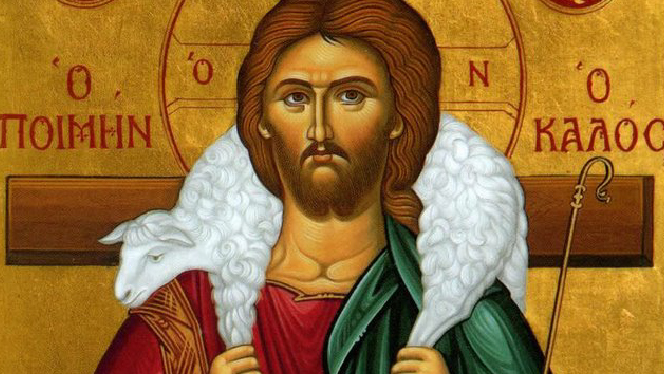
Peter closes this section by noting in 1 Peter 2:25 "For you were continually straying like sheep, but now you have returned to the Shepherd and Guardian of your souls." This describes what ought to be the current state of the Christian. We are ever turning, looking and giving our attention to the Lord Jesus Christ. Such thoughts reminds us of Psalm 23 or Psalm 121, which both describe the believer as a sheep looking to the Great Shepherd of their souls. Would we heed the call the follow Jesus by trusting and entrusting our souls to Him.
 1 Peter 2:1-4 "Therefore, ridding yourselves of all malice and all deceit and hypocrisy and envy and all slander, 2 like newborn infants long for the unadulterated spiritual milk, so that by it you may grow up to salvation, 3 if you have tasted that the Lord is kind, 4 to whom you are drawing near, a living stone rejected by men but chosen and precious in the sight of God."
Introduction:
My dad was a carpenter by trade. Whenever he built anything, it was built to last. His skills as a carpenter came in handy when he began working for a large brick and stone company. They were building a series of buildings that required bricks cut to fit into large circular windows. The particular brick cutters that worked for the company left the job. My dad stepped up to help out and ended up being the new brick cutter. One day our family took a ride to view one of the finished buildings. I was amazed by the perfect circular windows and passage ways that were made by my father. He told me he would sometimes take broken bricks and cut them to be included in those beautiful structures. To this day, years later, those buildings are testimonies of his handiwork. They were built to last.
In today’s post we are exploring the Christian’s spiritual identity as part of a spiritual temple built upon Jesus Christ – the Precious Cornerstone. Jesus is building a spiritual temple, composed of every believer that is a living stone. By centering upon Jesus Christ, you will discover how the Christian life is “built to last”.
The Apostle Peter was called by Jesus to follow him. Originally named "Simon", Jesus would change his name to "Petros" - meaning "rock". There is no doubt in my mind that Peter identifies himself as included in the words of exhortation he has written by his secretary or amanuensis - Silvanus (see 1 Peter 5:12). The theme of this first letter or epistle is "stand firm in the grace of God" (see 1 Peter 5:12). Therefore, we want to know what it looks like as Christians stand firm as a spiritual temple, built upon the Chief Cornerstone - Jesus Christ - as He builds them to endure for His sake. Let's consider the foundation, walls and curb appeal of the project Jesus has undertaken.
1. Foundation: The New Birth. 1 Peter 2:1-3
The last post we did in 1 Peter dealt particular with God's divinely given second chance - i.e the new birth (http://www.growingchristianresources.com/2018/01/god-given-second-chance-1-peter-11-25.html ). We learnt in that post:
a. the new birth done by God
b. brought about by Spirit, word, faith
c. this new birth results in a life that can live for God.
Without the word of God, no heavenly fire of salvation can be kindled in the human soul (see Jeremiah 23:29). Without the air of the Person of the Spirit, no flame of spiritual life can come forth in the heart (see John 3:8). Without the fuel of faith, the word of God and the Holy Spirit will not burn as an enduring flame in the human spirit touched by grace (see Hebrews 4:2).
Peter's reflections on the new birth as the foundation for a faith that is "built to last" continues onward into this second chapter. In 1 Peter 2:1-3 we find a conditional statement, beginning at verse 3: "if you have tasted that the Lord is kind" (Lexham English Bible).
The way we know we have not only tasted of saving grace, but consumed such, is by how we regard His word and obedience. The foundation of the New birth is a firm foundation because of the fact it is brought about by the Spirit and the Word. Getting into one’s Bible and it into you is not optional when it comes to cultivating God’s presence, withstanding ongoing doubts, fighting sin and growing in faith.
As Peter points out in these first few verses of 1 Peter 2, craving God's word is likened unto an infant that craves milk. If one finds their newborn child not wanting to eat, there is cause for concern. A baby that has no interest in eating is not well. Many would regard such a state of affairs as unnatural to what it means to be an infant - namely the capacity to eat, eat and eat! A born-again child of God cannot expect to grow nor expect to enjoy the awareness of one's assurance in salvation apart from regular intake of God's Word. Thus, to understand how the Christian life is "built-to-last", we must first consider the foundation of the new birth with respect to the Word of God.
2. The Walls: Shaped by Jesus Christ. 1 Peter 2:5-8
A sound structure must have a good foundation. With the foundation of the new birth in place - we next consider the walls of the project Christ is doing in the building of His people. The apostle Peter expounds further on this score by citing key Old Testament texts that highlight Jesus as our precious cornerstone. The following headings convey Peter's central message in 1 Peter 2:5-8.
a. Delight in Jesus strengthens you.
Peter's first quotation of Isaiah 28:16 in 1 Peter 2:6 hearkens back to a time in Israel's history wherein she had lost all hope. The Lord's word to the people in eighth century b.c. Jerusalem was to not to abandon their hope in Him. All is not lost! Sadly, the Southern Kingdom of Judah would over the remainder of her history follow in the train of her Northern Kingdom counterpart – resulting in the Babylonian conquest of Jerusalem beginning in 605 b.c. Peter’s word to his readers and to us is to not lose hope – but to look to that Precious Cornerstone – the Lord Jesus Christ.
The second Old Testament quotation is that of Psalm 118:22 in 1 Peter 2:7. Whenever one studies the context of Psalm 118, the author of that psalm is praising Yahweh for delivering him from certain trouble. The Psalm is filled with hope and renewed faith in the face of adversity. We know from the background of Peter’s audience in the first century that they were facing increasing difficulties. (see for instance 1 Peter 1:6-7; 3:13; 4:12)
By recalling Psalm 118, Peter could show how the same God that answered cries of distress in the Psalmist’s time could do the same for the readers of his first epistle. Thus Peter is reinforcing his overall message to look to Christ as that Precious Cornerstone. Not only is Jesus the believer’s source of hope, He is also precious.
b. Doubting Jesus will hurt you.
The third quotation by Peter deals with the negative consequences of rejecting Jesus as the Precious cornerstone.
Sadly, the Southern Kingdom of Judah would over the remainder of her history follow in the train of her Northern Kingdom counterpart – resulting in the Babylonian conquest of Jerusalem beginning in 605 b.c. Peter’s word to his readers and to us is to not lose hope – but to look to that Precious Cornerstone – the Lord Jesus Christ.
Peter's quotation from Isaiah 8 in 1 Peter 2:8 carries the message that God always has a faithful remnant in every age. The sense on gathers from Isaiah 8 is that the inhabitants of the Jerusalem were seeing their fellow Jews to the North given in and give up to the threats and pressures of opposing forces. Despite deserving the consequences themselves, God still held out His message of hope and salvation to them. So we see then that the strength of God's building project of salvation lasts due to the Lord Jesus Christ. What then makes the Christian's life appealing to a watching world?
3. Curb Appeal: Changed Lives. 1 Peter 2:9-20
Whenever we study any of the New Testament epistles, we find the authors dealing with Christian identity or "gospel indicatives" and commands to carry forth that identity or "gospel imperatives". Gospel indicatives are so named because they explain "who I am and whose I am" or my status as an adopted child of God. Gospel imperatives are so designated due to the expectations and commands urged upon the believer to live their lives in light of their newly-given identity in Christ. The Apostle Peter gives forth the following "gospel indicatives" and "gospel imperatives" to raise the bar for attracting a watching world to the Christian faith.
a. Gospel Indicatives: Christians are a holy priest hood. 2:9-10.
b. Gospel Imperatives: Christians are to function as a holy priesthood
i. Abstain from worldly lusts 2:11
ii. Guard (Integrity) 2:12
iii. Submit to authorities (unless violating Christian convictions) 2:13 & Acts 5:29
iv. Live (freely for God) 2:16
v. Exercise (godliness in your relationships) 2:17
vi. Persevere to the end 2:18-20
These six sets of imperatives or commands contribute to the overall "curb-appeal" of the Christian life. Just as the owner of a home clips their hedges, mows the lawn and applies paint to increase the visual appearance or "curb appeal" of their home to others, the Christian's claims about the reality of Jesus Christ find validity insofar as they take to heart their identity in Jesus. James 1:26-27 reminds us:
"If anyone thinks himself to be religious, and yet does not bridle his tongue but deceives his own heart, this man’s religion is worthless. 27 Pure and undefiled religion in the sight of our God and Father is this: to visit orphans and widows in their distress, and to keep oneself unstained by the world."
Closing thoughts:
The sort of Christianity that the world is in need of is the type that manifests the working of Christ by the way the "living stones" of His spiritual temple live their lives. This is the sort of project Jesus is making - one that is "built-to-last".
 1 Peter 1:3 "Blessed be the God and Father of our Lord Jesus Christ, who according to His great mercy has caused us to be born again to a living hope through the resurrection of Jesus Christ from the dead."
Introduction:
Happy New Year 2018! Every year the Southern Baptist Convention encourages churches to take up the study of a particular book of the Bible. For January 2018, Peter's first letter will be the focus, with a suggested theme of: "Living As Strangers In A Secular World". I find Peter's words to be apropos for our 21st century world. Peter’s purpose in writing his first letter was to urge his readers and us to stand firm in God’s grace. (1 Peter 5:12) 1 Peter 5:12 reads accordingly: "Through Silvanus, our faithful brother (for so I regard him), I have written to you briefly, exhorting and testifying that this is the true grace of God. Stand firm in it!" If Christ-followers are going to live effective lives as strangers in a secular world, on what basis do they do this task? How does one begin standing firm? By being “born-again”.
To be born again means receiving by faith a "God-given" second chance
Another way of describing the "new-birth" could be “the God-given second chance”. In grasping the significance of this truth, you can have the assurance you’ll need to stand firm for God. What can we note about the importance of being “born-again”?
1. Born-again to a living hope. 1 Peter 1:1-9
The truth of the New Birth is found throughout the pages of the Old and New Testaments. (Ezekiel 36:26-27; Jeremiah 31:31-34; John 3:1-8; Titus 3:4-5; James 1:18; 1 Peter 1:3,23). John 3:3 points us to the urgency of this truth by quoting Jesus Himself:
“Jesus answered and said to him, “Truly, truly, I say to you, unless one is born again he cannot see the kingdom of God.”
Not only can one not "see" or "enter into salvation" apart from the new birth, no one can be saved from the pending wrath of God. The Apostle Paul writes in Titus 3:5
“He saved us, not on the basis of deeds which we have done in righteousness, but according to His mercy, by the washing of regeneration and renewing by the Holy Spirit.”
Whenever we see such uniformity of testimony on doctrinal truths like the New Birth, we know we have struck upon a fundamental truth of scripture. The Apostle James notes in James 1:18
"In the exercise of His will He brought us forth by the word of truth, so that we would be a kind of first fruits among His creatures."
No doubt the Apostle Peter underscored the priority of the New Birth in providing what was needed to "stand firm" in the grace of God. In the opening verses of Peter's first letter, we can note the following guarantees granted by the new birth in saving faith:
a. Guaranteed beginning. 1 Peter 1:1-6 (sin’s penalty is removed)
b. Guaranteed process. 1 Peter 1:7-8 (sin’s power is relinquished)
c. Guaranteed finish. 1 Peter 1:9
(sin’s presence will be rid of in heaven)
For Peter, salvation is conceived of in three ways. There is "salvation past", which is to say, salvation in its beginning (i.e regeneration, justification). Such salvation is viewed as "salvation past" for the Christian. This is where it all starts. No doubt Peter prefaces the doctrine of regeneration with God's purposes of grace in foreknowledge and election in 1 Peter 1:1-2. Such working by God establishes the eternal salvation which He begins when dealing with sinners and their need to respond to the Gospel. As the Baptist Faith and Message reminds us about regeneration:
"Regeneration, or the new birth, is a work of God's grace whereby believers become new creatures in Christ Jesus. It is a change of heart wrought by the Holy Spirit through conviction of sin, to which the sinner responds in repentance toward God and faith in the Lord Jesus Christ. Repentance and faith are inseparable experiences of grace."
Then there is "salvation present" which involves the believer's progressive, onward and upward growth in sanctification. This progressive work is a cooperative effort between the Holy Spirit and the Christian.
Then there is "salvation future" or "glorification". This is where we find the soul of the Christian purified from all sin at death and the promise of the resurrection of the body given at Christ's return. (see 1 Corinthians 15:51-57; 1 Thessalonians 4:13-18). All of these observations serve to underscore the mighty hope made accessible to the sinner at saving grace by faith in the new birth.
2. Born-again by the Word & Spirit. 1 Pet 1:10-12; 1:23-25
The hymn by Daniel Whittle: "I know whom I have believed" is a beloved song celebrating the wonder of Christian salvation. In the hymn we find two stanzas that ponder over how the Holy Spirit uses the word of God in His work of salvation:
"I know not how this saving faith
To me He did impart,
Nor how believing in His Word
Wrought peace within my heart.
"I know not how the Spirit moves,
Convincing men of sin,
Revealing Jesus through the Word, Creating faith in Him."
Such lyrics, based off of 2 Timothy 1:12, find their clarification in what Peter writes in 1 Peter 1:10-12 and 1 Peter 1:23-25. If we were to summarize what we find in Peter's exposition in these verses, we could note the following:
a. Spirit is the agent of our salvation. 1 Peter 1:10-12
b. The scripture is the tool of our conversion. 1 Pet 1:23-25
Without a doubt, faith is included in this important point of the Spirit's use of the scriptures in salvation. (see 1 Peter 1:5; Ephesians 2:8-9). The doors of grace have doorknobs of faith which we must voluntarily turn if we expect such to swing open for our entryway into God's heavenly kingdom. (see John 3:1-8) As the Apostle Peter writes on about the role of the New Birth in enabling the believer to stand firm in the grace of God, we also find there is a purpose for which the new birth takes place.
3. Born-again to live for God. 1 Peter 1:13-22
As echoed throughout the remainder of sacred scripture (Ephesians 2:10; James 2), faith without works is dead. Not only does the new birth grant spiritual life, but also the desire to live such a life. God gives the sinner a second chance in saving faith to live a life that honors Him. We can note the following three observations from Peter's exposition on how the new birth leads to a life devoted to God:
a. Live holy lives (we ought to want good works). 1 Peter 1:13-15
b. Live preparing for eternity (crave heaven). 1 Peter 1:17-21
c. Live to love with God’s love 1:22.
The third point is particularly convicting, since we discover that not only does the new birth entail one living for God, but also learning how to live with others in such a way as to love them as God loves them. The Apostle John writes in 1 John 4:20 "If someone says, “I love God,” and hates his brother, he is a liar; for the one who does not love his brother whom he has seen, cannot love God whom he has not seen."
Closing thoughts
Today we explored what Peter meant when he wrote about being "born again to a living hope" or what we deemed a "God-given second chance". The new birth enables the Christian to carry-out the main point of Peter's first letter, namely "to stand firm in the grace of God". (see 1 Peter 5:12) The new birth in saving faith results in three profound realities:
1. Born again to a living hope
2. Born again by the Spirit and Word
3. Born again to live for God
 Ezekiel 36:26-27 “Moreover, I will give you a new heart and put a new spirit within you; and I will remove the heart of stone from your flesh and give you a heart of flesh. 27“I will put My Spirit within you and cause you to walk in My statutes, and you will be careful to observe My ordinances.
Introduction:
Salvation is identified in both Old and New Testaments (or Old Covenant and New Covenant scriptures) as being "of the Lord". (see Isaiah 43:10; Jonah 2:9; Romans 10:13) The distinctions lie in the level to which the Spirit manifests Himself in the lives of His people. In the Old Testament the Spirit worked "upon" and "with" people; whereas in the New Testament we find the Spirit working "within" and "through" people. (see John 14:17).
The Holy Spirit was already doing a work in human hearts, a precursor to the New Birth called "circumcision of the Heart". (see Deuteronomy 10:16; 30:6) Both types of work were needed in order for believers to respond and receive God's well-meant offer of salvation. (see Genesis 15:16; Romans 4:3; Ephesians 2:8-9; Titus 3:4-5; James 1:17-18)
In seeing the Spirit's work in the Old Testament, the time would need to be inaugurated for a new, deeper and more abiding work. Old Testament prophets like Ezekiel and Jeremiah gave readers a glimpse into what would be the New Covenant work of the New Birth. In this post today, we want to sketch out the distinctions between what is called "the Old Covenant" and "the New Covenant" as it pertains to the Spirit's work in salvation.
The functions and limits of the Old Covenant
Israel as a nation had failed in her covenant obligations to God that He had outlined for them in Exodus 19-20. Though God had given His promises to His people through the Abrahamic and Davidic Covenants, it was in the Mosaic Covenant of Exodus 19-20 that God outlined their redemptive identity. The Mosaic Covenant or Sinaitic Covenant (so-called because it was made by God with His people at Mount Sinai), spelled out the type of righteousness God expected if anyone were to have any relationship with Him.
The covenant that God made at Sinai demanded righteousness, but could not deliver it. God knew that the people of Israel would try to get to Him apart from grace through faith, and so He gave the law to show them their inability to do so.
The Covenant of Sinai, also called "The Old Covenant", awaited the day God would reveal a "New Covenant" to His people. Since the people of Israel came to be identified with Moses and the "Old Covenant", the entire age leading up to the cross is called the "Old Covenant" or "Old Testament Age". A " New Covenant" was needed. Hebrews 8:7 states:
"For if that first covenant had been faultless, there would have been no occasion sought for a second."
The glorious revelation of the New Covenant
When God began to reveal His New Covenant promises to Israel in passages like Jeremiah 31:31-34 and Ezekiel 36:25-27, He pointed to a future age. That final age will entail Christ's reign on earth - i.e "the Millennium". (see Revelation 20) Israel the nation was promised by God to be restored at Messiah's second coming. The people as a nation would look upon the One whom they had pierced and be saved. (see Zechariah 12:10; Revelation 1:7) What the New Covenant promises were designed for was to give hope to a nation that had been sent to exile in Babylon for 70 years. They would become not only a nation once again, but would end up fulfilling their original calling. (see Genesis 12:1-7; Deuteronomy 7:1-7; Amos 3:1-7).
That time for Israel will come. (see Romans 11:25-26). However, from what we gather in the New Covenant scriptures (another name for the New Testament), these New Covenant promises have been spiritually inaugurated in the life of the Church. Whenever one reads 2 Corinthians 3-5 and Hebrews 8-9, it is discovered that the "Age to Come" is overlapping with this current church age. We as Christians, by way of the New Birth, are partaking spiritually of the promises communicated in Jeremiah and Ezekiel.
How the New Covenant exceeds the Old Covenant
When we turn to passages such as Hebrews 8:7-13, we discover just how wonderful our salvation is in light of the fact that we are spiritual partakers of the New Covenant. Let the reader take note:
Old Covenant vs New Covenant
Hebrews 8:10 Hebrews 8:10
-Demands godliness -Delivers godliness
-Principles for holy living -Power for holy living
-God was unapproachable -God is approachable
Hebrews 8:11 Hebrews 8:11
-I know about God -I come to know God
Hebrews 8:12 Hebrews 8:12
-Sin is shown as sin -Sin is forgiven
Hebrews 8:13 Hebrews 8:13
-change is not available -change is expected
As you can see, by gaining an understanding of the New Covenant versus Old Covenant systems, we can better appreciate the background leading up to the work of the New Birth. The Old Testament saints needed to receive the working of the Holy Spirit like New Testament Christians do today - by faith. Such faith is a gift of God that attracts the sinner to respond freely to God's overtures of grace. Such grace was made known in the types an shadows of the Old Testament which were based upon what would be the New Testament coming of the Lord Jesus Christ. (see 1 Peter 1:10-11)
Why understanding the Old and New Covenants matters to you
I hope this brief summary today has shed light and edified your heart dear reader. So why is this important? Make no mistake about it, the New Testament teaching on salvation includes the Old Testament background. The starting point of salvation is the New Birth. Whenever Jesus was teaching Nicodemas in John 3 that one "must be born-again" to enter into the Kingdom of Heaven, He assumed Nicodemas, a teacher of Israel, knew about the Old Covenant background. Nicodemas' confusion demonstrated how much he was in need of salvation. He was religious but not right with God. Understanding these truths aid us in seeing the unity of scripture's testimony of how someone is brought into right relationship with God. Furthermore, knowing that the Holy Spirit is vital in salvation leads us to rely upon Him in life that follows from salvation. Unless God in His grace calls us and sustains us, none can be saved and none can live the Christian life. Whether we are talking about Old Testament or New Testament believers - the point is - salvation is of the Lord.
 Matthew 1:21 “She will bear a Son; and you shall call His name Jesus, for He will save His people from their sins.”
Introduction:
Merry Christmas to all who have decided to visit this site today. In today's post, the aim is to draw as many parallels as possible between the birth narratives of Matthew and Luke to the crucifixion account of the Lord Jesus Christ. John 18, 19 and 20 will be our main text for the crucifixion account, with connecting points being drawn from Matthew and Luke. Below I will list some main headings and associated verses to aid you, the reader, in connecting the Christmas event of the cradle at Bethlehem to the Mission of the Savior at the cross.
1. The Shepherds told about the Savior born, who would die for the people
Luke 2:11 "for today in the city of David there has been born for you a Savior, who is Christ the Lord."
John 18:14 "Now Caiaphas was he, which gave counsel to the Jews, that it was expedient that one man should die for the people."
What links these two passages together is the fact we see Jesus, our Good Shepherd.
2. He was Born and Died "The King of the Jews."
Matthew 2:2 “Where is He who has been born King of the Jews? For we saw His star in the east and have come to worship Him.”
John 19:19 "And Pilate wrote a title, and put it on the cross. And the writing was, JESUS OF NAZARETH THE KING OF THE JEWS."
What links these two passages together is the fact we see Jesus our True King.
3. The Roman Empire was included in His birth and death.
Luke 2:1 "Now in those days a decree went out from Caesar Augustus, that a census be taken of all the inhabited earth."
John 19:23 "Then the soldiers, when they had crucified Jesus, took his garments, and made four parts, to every soldier a part; and also his coat: now the coat was without seam, woven from the top throughout."
What links these two passages together is the fact we see Jesus the Ultimate Ruler.
4. The Prediction of Mary's agony at His death spoken after his birth
Luke 2:35 "and a sword will pierce even your own soul—to the end that thoughts from many hearts may be revealed.”
John 19:26-27 "When Jesus therefore saw his mother, and the disciple standing by, whom he loved, he saith unto his mother, Woman, behold thy son! 27 Then saith he to the disciple, Behold thy mother! And from that hour that disciple took her unto his own home."
What links these two passages together is the fact we see Jesus the Obedient Son.
5. The presence of myrrh in the accounts of His birth and death
Luke 2:11 "After coming into the house they saw the Child with Mary His mother; and they fell to the ground and worshiped Him. Then, opening their treasures, they presented to Him gifts of gold, frankincense, and myrrh."
John 19:39 "And there came also Nicodemus, which at the first came to Jesus by night, and brought a mixture of myrrh and aloes, about an hundred pound weight."
What links these two passages together is the fact we see Jesus the Satisfaction of wrath.
6. Angels were present at His birth and resurrection
Luke 2:13-14 "And suddenly there appeared with the angel a multitude of the heavenly host praising God and saying, 14 “Glory to God in the highest, And on earth peace among men with whom He is pleased.”
John 20:12-14 "and she saw two angels in white sitting, one at the head and one at the feet, where the body of Jesus had been lying. 13 And they said to her, “Woman, why are you weeping?” She said to them, “Because they have taken away my Lord, and I do not know where they have laid Him.” 14 When she had said this, she turned around and saw Jesus standing there, and did not know that it was Jesus. "
What links these two passages together is the fact we see Jesus the Victorious Savior.
Closing Thoughts
When one considers the linkage between the manger and the cross, the lines of connection are extraordinary. It was said once that the shadow of Calvary ever fell on the cradle in Bethlehem. In the midst of this Christmas Day celebration, let us not ever separate the cradle and the cross. We noted the following six truths about Jesus in today's post:
1. Jesus, our Good Shepherd
2. Jesus, our True King
3. Jesus, our Ultimate Ruler
4. Jesus, the Obedient Son
5. Jesus, the Satisfaction of Wrath
6. Jesus, the Victorious Savior


