Translate

Sunday, February 9, 2020

Bird's-eye view of the Bible: the theme of the patriarchs - God's plan of salvation revealed through Noah, Abraham, Isaac and Jacob

Image result for Abraham
Introduction:

       We continue on with our theme-by-theme survey of the Bible that we are calling: "a bird's-eye view of the Bible". So far, we've journeyed through the themes of creation and catastrophe. Readers can review the last post on the theme of creation here: http://www.growingchristianresources.com/2020/01/birds-eye-view-of-bible-theme-of.html and the theme of catastrophe here: http://www.growingchristianresources.com/2020/02/birds-eye-view-of-bible-theme-of.html

       Both of these major themes comprise the first eleven chapters of the Book of Genesis. Genesis 1-11 covers the greatest span of time in the Bible (at least 1656 years). Whenever we study Genesis 1-11, we introduced to virtually every major truth we encounter in scripture. Some of those fundamental truths we find in Genesis 1-11 are: creation (1-2); sin (3); death (4); walking with God (5); grace (6); judgment (6-7); mercy and promise (8); covenant (9); nations of the earth (10); God's providence (11).  There are many more truths we could mention, however we must move onto the third theme in our study which will cover the remainder of the Book of Genesis: the theme of "patriarchs".  

Our journey from creation through catastrophe to the patriarchs        

 Image result for creation     
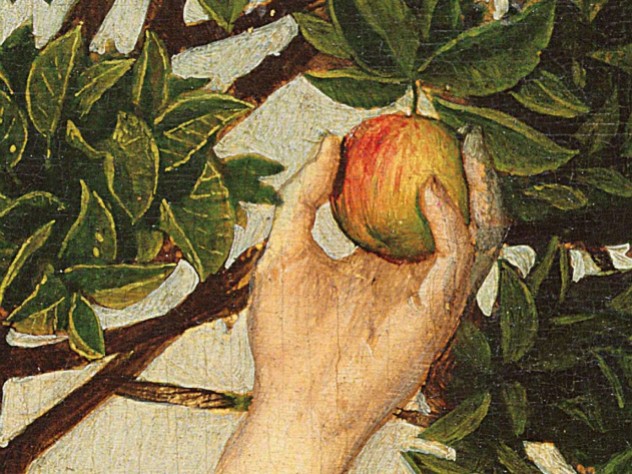
        As we prepare to continue our flyover of the Bible, we keep in mind that, so far, we've experienced creation and the age of innocence. Remember, whenever God created and made everything, there was no sin or death. He had made an original covenant (remember what that was? A binding promise) with Adam and Eve for the sake of their relationship with Him. Their testing came whenever the serpent, Satan, tempted them in the Garden of Eden, resulting in their failure or Fall. Sadly, catastrophe had struck.  Consequently, the fall of Adam and Eve spelled out a Divine curse of sin and death on all people (see Romans 5:11-21). 
Image result for sacrifical lamb

       Thankfully, God issued a second covenant, the covenant of grace, which they received by faith and included the death of innocent sacrifices on their behalf - all done because of God's grace (Genesis 3:15,20-21; Hosea 6:7). The short time-frame of innocence gave way to what is called by some: "the age of conscience". God would continue to preserve the moral and physical life of sinful human beings through their consciences. The conscience is that sudden joy you feel when you've done something right or that sudden unhappiness you feel when you've committed a sin. 
Image result for the conscience
      God the Holy Spirit extends common, non-saving grace to all people by preserving mankind from being as bad as he possibly could-be by way of the moral law written on the conscience (Romans 2:14-15). The work of the Spirit in regulating the boundaries of mankind's rebellion by way of the conscience is first seen  between the Fall of Genesis 3 until we arrive at Noah in Genesis 6. What of course is needed is that specific, saving work of the Holy Spirit that draws individual sinners in saving faith to the promises of God's salvation (Old Testament) and saving faith in the Personal Savior of salvation, Jesus Christ (John 16:8-12; Acts 4:12). 

       As we journeyed through Genesis 4-11, we observe the spreading of the catastrophe of the Fall. Cain murdered Abel, signaling that the disease of sin was far worst than ever imagined. Adam and Eve would have another son, Seth, from whom would begin a series of nine other generations of humanity we find listed in Genesis 5-9. Two other catastrophes were mentioned in our journey: the world-wide flood of Noah in Genesis 6-9 and the Tower of Babel in Genesis 10-11. 
Image result for scales of justice
            God would to set forth the third age of history and another means of exercising His providential care over mankind, called by some: "the age of government". Romans 13:1 tells us that God was the One who instituted government. God also reissued a version of the covenant of Grace with Noah after the flood, pledging to never again destroy the world with a flood. Noah and his wife would have three sons: Shem, Ham and Japheth, whom each would function as the three sources of humanity's seventy original nations. One new theme emerges, beginning with Seth through the ten generations up to Noah and another ten generations to a very important man, Abraham, namely: “the theme of patriarchs”.

What is a patriarch?
     
       A patriarch, in the Biblical sense, refers to a God-appointed founder of the nation of Israel or first-example of what it means to walk by faith. We will meet and learn about the patriarchs Noah, Abraham, Isaac and Jacob. Exploring the patriarchs is important to growing in our understanding of the Bible. God’s covenant with Noah was a promise to never again destroy the world with a flood. His covenant with Abraham would bring about the nation of Israel and ultimately prepare for the coming of Jesus. Many lessons about faith and life are learned by watching how the patriarchs responded to God.

Who are patriarchs and why they’re important?
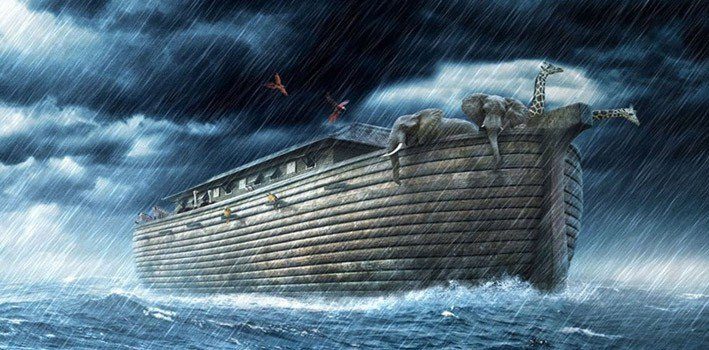
Image result for Noah and the ark
      In the Bible, we see God choosing, calling and guiding certain men to function as patriarchs. Sometimes we can speak of pre-flood patriarchs such as Adam, Noah and Seth. When it comes to the patriarchs after the flood, we draw another set of lines, beginning with Noah's son Shem to eventually what would be three "post-flood" patriarchs: Abraham, Isaac and Jacob. Noah would come to represent the most important of the "pre-flodd" patriarchs. If we draw a line from Noah to Abraham, we have exactly ten generations, representing an unbroken line of people who carried the message of God's salvation (shedding of innocent blood on the behalf of the guilty, reception of salvation by faith). 

The most important of the post-flood patriarchs: Abraham
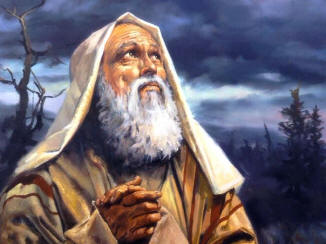
Image result for abraham of the bible
       We first meet Abraham at the end of Genesis 11. Abraham was a normal guy who lived in a pagan city. It is in Genesis 12 that we see God choosing and calling of Abraham to move from the city of his birth to a far-away country (Genesis 12:1-7). God's plan of salvation, as we already saw, had involved a covenant of grace which He made originally with Eve back in Genesis 3:15. 

      The pattern of salvation would involve God bringing about the Savior of mankind through a specific part of humanity. God had narrowed down the specifics of His plan from humanity in general (Adam and Eve) to a portion of humanity (Noah and Shem) to then a person (Abraham). Abraham was promised that God would make him a blessing to all the nations. God chose Abraham and Sarah to be the beginnings of his chosen people, the Hebrews, whom He would make into the nation of Israel. Although they both were beyond child-bearing age, and Sarah herself was incapable of having children, God nevertheless demonstrated that nothing is impossible for Him (Genesis 18).
Image result for cross of Jesus

            The covenant God made with Abraham contained three elements:  a land, a blessing and a descendant. The land part would become the nation of Israel. The blessing God promised to Abraham would turn into the Gospel of salvation being offered to all the nations (see Galatians 3-4). The promise of descendants would first result in the coming forth of the Jewish people and then ultimately Jesus (see Galatians 3). 
Image result for salvation by faith alone
      God's covenant with Abraham also included a symbol which would distinguish Abraham and his future descendants from every other people group - circumcision (circumcision is a form of minor surgery performed upon every male child shortly after birth). All covenants in the Bible have some sort of "symbol" or "sign", an oath of promise and blessings or curses (see Hebrews 6:9-18). Since God's covenant with Abraham was an expression of God's covenant of grace, that meant Abraham and any of his future descendants would need to embrace God's promises by faith. Abraham would trust God by faith (Genesis 15:6), therefore giving us a reminder of how we receive salvation: by grace through faith apart from doing good things (please see Ephesians 2:8-9; Titus 3:4-5).

Meet the rest of the Patriarchs: Isaac and Jacob
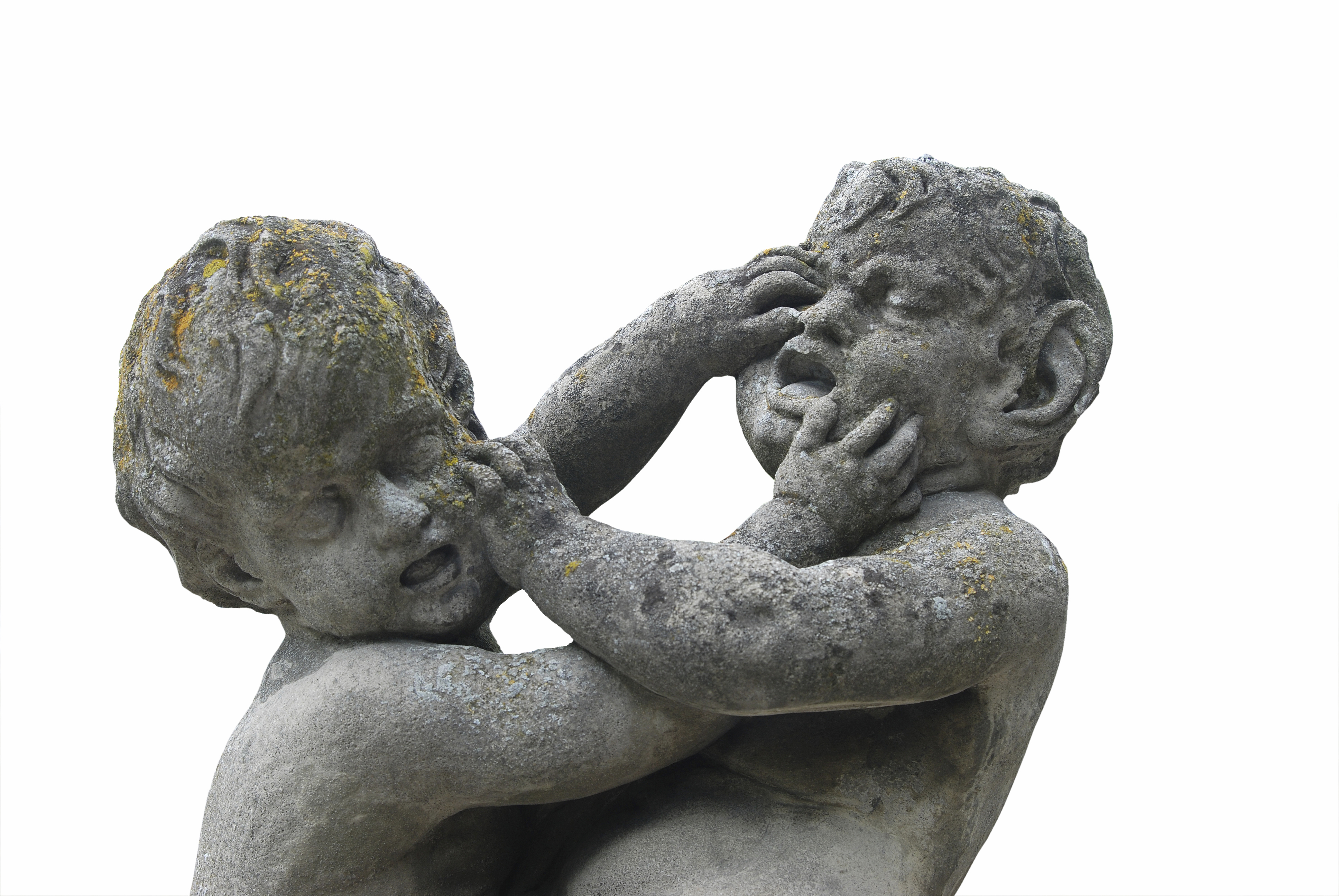
Image result for Jacob and Esau
     As we move forward, one of Abraham's sons, Isaac, would become the heir of all the promises God made to Abraham and thus be our next patriarch. Isaac’s story is not as long and detailed as Abraham’s, however, Isaac and his wife Rebekkah would have twin sons: Esau and Jacob. God already had decided to choose Jacob, rather than Esau, as the next patriarch who would carry on the promised covenant of Abraham. Although God chose Jacob, he still needed to respond to God’s call by faith (see Genesis 28). 
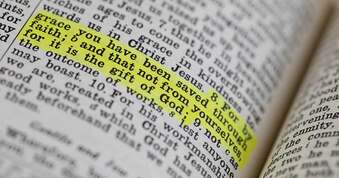
Image result for by grace through faith
       Jacob and Esau both illustrate the twin truths we find throughout the Bible: God's gracious work in drawing sinners and man's responsibility to receive the gracious work. Both Esau and Jacob had equal exposure to God’s promises, yet, Esau's missing out on the promise of God is due to Esau's willful choice to reject God's covenant promises offered to Him in the covenant made with his father (Isaac) and grandfather (Abraham). Consequently, Esau would end up rejecting his right to inherit as the oldest son, symbolizing that in his heart, Esau had also rejected God’s well-meant offer of salvation (Hebrews 12:16). 
Image result for salvation is of the Lord
       Jacob, on the other hand, responded positively to God's gracious salvation through that same set of covenant promises we witnessed with Abraham and Isaac. Why? Scripture uniformly credits God's grace as the reason (see Malachi 1:2; Romans 9:6-18). God would orchestrate a dramatic encounter with Jacob in Genesis 32, followed by a change in his name to that of: “Israel”. Jacob (also called, “Israel”) would end up as father of twelve sons, each becoming patriarchs or founders of the twelve groups or tribes of Israel. Jacob and Esau are used extensively through the Old and New Testament to illustrate how God works in salvation per His gracious plan and the need for individuals to respond in faith to that gracious plan.

Applications we can glean from consideration of the patriarchs

     As God continued to work with mankind, He did so not only through conscience and government, but also through the patriarchs (Abraham, Isaac and Jacob). God's gracious choice of Noah over other men of his era, Abraham over his siblings, Isaac over his brother Ishmael and Jacob over Esau reminds us of the truth repeated throughout the Old and New Testaments: "salvation is of the Lord" (Psalm 3:8; Isaiah 45:17; Jonah 2:9-10; Romans 10:6-15; Ephesians 2:8-9). We see equally presented the need for individuals to respond to the Spirit's call to believe, repent and be saved from their sins and the wrath of God to come (Acts 2:36-37; 17:31; Romans 5:6-9; 1 Thessalonians 1:9-10). Such truths about human salvation found in Genesis 12-50 are still the basis for how God the Holy Spirit works forth in calling forth individuals to Himself to believe on the Lord Jesus Christ for their salvation (John 16:8-12; Romans 10:9-15). The next theme we will consider in our ongoing study is that vital theme of "redemption". 

Thursday, February 6, 2020

Bird's-eye view of the Bible: the theme of catastrophe - The fall, The flood and The Tower of Babel.

Image result for The fall of Adam and Eve
Introduction:

      In our last post we started an overview of the Bible that focuses on major themes called: "A bird's-eye view of the Bible". Interested readers can review the last post by clicking on the link here: http://www.growingchristianresources.com/2020/01/birds-eye-view-of-bible-theme-of.html 

     We encountered our first theme of "Creation", noting how God created everything, life and humanity. Today's post will continue on our exploration and overview of the Bible through major themes. We will investigate the Fall of Adam and Eve in Genesis 3 and the subsequent ripple effects that would impact all of creation and humanity. The theme for today's post is what we will called: "catastrophe". 

What is meant by the term "catastrophe"?
Image result for st. bernard dog
      When we think of the consequences of the catastrophe of the fall, we first of all need to ask ourselves: "what is meant by 'catastrophe'. In simple terms, a catastrophe is a great-big disaster. Imagine baking the most beautiful cake in the world, complete with chocolate frosting and piped red roses. The cake has three-layers and is ready for eating. Suddenly, a large St. Bernard bounds out of nowhere, jumps upon the table and runs right through the cake! The dog then devours the cake, leaving crumbs and frosting everywhere all over the kitchen. One word can summarize the scene: catastrophe!
Image result for Adam and Eve Fall into sin
       This horrific scene is a beautiful day in the park compared to the catastrophe of Adam and his wife’s rebellion in Genesis 3. In our last theme, we saw God creating and making everything. Furthermore, we discovered God is a relational God, and that He relates to our world by way of “covenants” or “binding agreements”. Sadly, Adam and his wife would make a fatal choice that would break the covenant of works God had made with them and thus, putting an end to the “age of innocence”. 
Image result for broken tools
     In what follows under this second major theme, three main catastrophes or tragedies are recorded in Genesis 3-11: The Fall of Adam and Eve, the flood of Noah and the Tower of Babel. We will spend most of our time on the first of these, since all that unfolds throughout the rest of the Bible is related to the first catastrophe  - "The Fall". 

Catastrophe #1: The Fall

  There are 1,189 chapters in our Bibles. Whenever we glance at the 1,189 chapters of the Biblical text, only four of those chapters record no sinfulness of any creature - Genesis 1-2 and Revelation 21-22. When God created everything, He did so without any imperfections. Genesis 1-2 presents a creation with no sin, heartache or death. Revelation 21-22 describes what will be a New Heavens and New Earth that are dominated by a God-centered, sinless reality (see also 1 Peter 3:13). So, what happened in the other 1,185 chapters of the Bible?  What follows in the remainder of the Bible are the consequences of three major catastrophes: The Fall (Genesis 3-5), The Flood (Genesis 6-9) and the Tower of Babel (Genesis 10-11). 
Image result for The serpent tempts Adam and Eve
      The first and greatest of these catastrophes is described by two jarring words, "The Fall". God had a special plan for mankind, namely, to implant within him His image and to have a covenant relationship with him. Human beings were not just physical creations, but also moral and spiritual beings. 

      Adam was to teach his wife everything God told him in the covenant of works - which fruits they could eat, which to avoid and their role in exercising God-given authority. God gave the newly married couple everything they needed to fulfill the covenant he gave them (Genesis 2). If they met God's conditions, they would enjoy an eternity with him, ruling the earth and populating the world with other people just like them. However, a great test was to come upon the man and the woman. The great enemy of man and God, Satan, entered the Garden. He tricked the woman (soon-to-be-named "Eve) into talking with him and eating of the forbidden fruit. Adam was there whenever Eve and the Serpent had their conversation. Adam's tolerance of the serpent meant he had broken that original covenant - for he and his wife were to take dominion over all life. 
Image result for Hide from God
       The outcome of Adam and Eve's decision to disobey God resulted in sin, leading to a curse and death on creation and the entire human race (see Genesis 3:7-19; Romans 5:12-21).  Adam and Eve hid from God as God came down, walking in the garden He had planted, and which they were to care for (Genesis 3:5-8). The great catastrophe was underway in our world. Adam and his wife had broken God's original covenant of commands or "works". To review, God had told them that in the day they ate of the fruit of the tree of knowledge of good and evil, they would surely die. Adam and Eve died spiritually. They physically should had died too, since God was obligated to give them justice. However, God did something unexpected. 
Image result for God's grace
     The Fall of Adam and his wife ultimately impacted all of us. The only thing God owed humanity was justice and judgment. However, God is a relational God and had already planned to extend a second covenant, called by Bible teachers: “the covenant of grace” (see Genesis 3:15, 20-21; Hosea 6:7). In this covenant of grace, God spoke about a future war between the serpent (Satan) and a descendant that would somehow come from Eve. What makes Genesis 3:15 so important is that it predicted what would be Jesus’ coming to earth to die on the cross for our sins. 
Image result for Jesus defeats satan
      When Adam heard this covenant spoken by God, he called his wife, "Eve", which means: "the mother of the living one". This response of Adam and Eve indicated that they received God's word by faith. God then killed two animals in their place, setting the pattern for salvation to come (Genesis 3:20-21). The ingredients of the Gospel were all present: God's grace, man's faith and the shedding of innocent blood were all present in God’s covenant of grace. 
  
Catastrophe #2 – The Flood
Image result for Noah and the ark
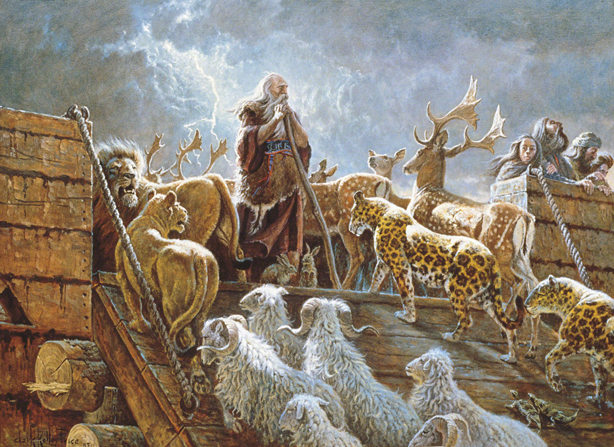
     It is from Genesis 3 to Genesis 11 that we find the catastrophe of The Fall spread to all humanity. The Fall was and still is the first great catastrophe. There are two other catastrophes we will mention before closing out this theme. In Genesis 6-9, we see Noah and his family in the second great catastrophe: the world-wide flood. 
Image result for God instituted government
     The wickedness of mankind had grown so badly that God decreed a flood of waters that would last for over a year. Sometimes Bible teachers describe God’s relationship with Noah as the beginnings of a new period in Biblical history, whereby God’s dealings with human beings was that of government. Mankind had failed in this arrangement God had made, much like Adam and Eve had broken God’s original covenant of works. 
Image result for rainbows
      Thankfully, God never gives up and promises to never destroy the world with a flood of water with the accompanying sign of a rainbow. This promise God made to Noah and all humanity has similarities to God’s original covenant of grace with Adam and Eve: God’s grace, blood sacrifice and reception by faith (see Genesis 8:20-22). God gave a sign for His covenant with Noah - a rainbow. Whenever we see rainbows, we are reminded that God is ever true to His promises.

Catastrophe #3 – The Tower of Babel
Image result for tower of Babel
      Noah’s three sons – Shem, Ham and Japheth – would become the sources for the original seventy nations of the ancient world (see Genesis 10). As we already noted, God gave humanity the ability to govern according to His law which everyone knew about in their hearts (see Romans 2:14-15). Although the world-wide flood had wiped all but Noah and his family, the problem of sin was never taken-away. 

      Mankind had become numerous once again and was ready to severe any connections to the Creator in favor of worship false gods and goddesses. This would lead to the third great catastrophe - the Tower of Babel in Genesis 11. Whenever God saw that humanity was going to harm itself, He decreed that everyone speak different languages. This act of God resulted in humanity spreading across our globe. Although the world seemed darker than ever, God’s plans would go from dealing with the nations to one individual – Abraham. We will meet Abraham and his family in our next post as we continue our "bird's-eye survey" of the Bible. 

Friday, January 31, 2020

Bird's-eye view of the Bible - the theme of creation

Image result for god created the heavens

Introduction:

       Today’s post will continue our bird’s eye view of the Bible by considering the theme of "creation". In our last post, we noted a number of themes we can string together to walk our way through the Bible. To remind readers of what our "bird's-eye view" of the Bible approach is all about, consider the overview picture that I included in the last post below:
As reader's will observe, the theme of "creation" is the first theme we encounter whenever doing any survey of the Bible. As we explore the theme of creation, other important ideas are revealed by God that aid in seeing the underlying unity of all scripture. I'll point out some key headings which should pull everything together under this first theme of "creation". 

1. In order to consider creation, we 
    must first realize there is the 
    Creator.

Image result for general revelation
     Sometimes skeptics will challenge the Christian with this question: “who made God?” The shortest way to answer this is by pointing out that God had no beginning. Christian thinker Norman Geisler expresses a fuller answer in the following way: 

“He was not made. He has always existed. Anything that had a beginning - like the world - needs a maker. God had no beginning, so God did not need to be made.”    
     The proper way to consider the creation is to begin with the Creator Himself. Genesis 1:1 tells us: “In the beginning, God created the heavens and the earth.” We can draw conclusions about God by observing all the different effects we see in the world, as well as conclusions drawn from logic, the sciences and history. God has also disclosed truth about Himself in the Bible and through the revelation of Himself in Jesus of Nazareth. 
Image result for special revelation
     Properly speaking, whatever we conclude about God by way of effects, logic, the sciences and history is a project called "natural theology", made possible by God's general revelation of Himself through those media. As to the specific revelation of God we glean from scripture and the life of Jesus, we call such a project "Biblical theology" and find it is made possible by God's specific revelation of Himself through those avenues. As we pull together what we grasp about God through such resources, here is what we learn about our Creator... 

A. We understand that God is infinite in His attributes. 

     That is, God is all-powerful, everywhere present, all-knowing and exercises His will and wisdom in upholding all that he is made (Jeremiah 10:12; 51:5; Romans 11:36). 

B. God is eternal, that is, He operates outside the confines of time - and thus space. 

     The Bible reveals that God has always existed and no one made Him (Isaiah 44:6). 

C. God is One God, who is the Father, Son and Holy Spirit. 

    What else is there to note about our Creator? God is Perfect. When we say, “God is perfect”, we mean He cannot get any better, or worse, get stronger, nor get weaker, be added unto nor can anything subtract from Him. God was never alone. The Bible reveals that God has always existed and no one made Him (Isaiah 44:6; 1 Timothy 1:17). 

D. Creation communicates to us that God alone is uncreated, and everything else is created. 

    Such thoughts about God all serve to remind us of the meaning behind those first three words of Genesis 1:1 - "In the beginning God". Therefore, to begin considering this first theme of "creation", we need to first know somethings about the Creator. 

2. God created and made all things.

      As we noted, whenever we begin to study the Bible, we come across this first theme of  “creation”. What is the difference between “creating” and “making” something? To create something means to bring into existence out of nothing. Whenever someone makes anything, they construct an object out of previously existing material. 

      Let's suppose I gave you this assignment: create whatever comes to your mind out of "nothing". Could you do it? No. If I gave you a piece of paper or any materials, you could perhaps “make something”. Only God can create something out of nothing, give life to that which was dead and provide eternal salvation. We see God first creating the heavens, the earth and the necessary environments for all living creatures. God calls forth all life to live on the earth, in the oceans and in the sky. Human beings have the unique quality of literally having been “hand-made” by God as a special-act of His creative work.

3. God relates to all He has created and made by way of covenants.
Image result for shaking hands
     In addition to knowing what kind of Creator God is, as well as discerning between what it means to "create" and "make", we thirdly note that God is a highly relational God. God relates within Himself as Father, Son and Holy Spirit. 
      
      Since God is relational by nature, it would make sense that He would provide a way to relate to His creation. How could an infinite God relate to our world and us? The Bible reveals that God interacts with everything He has made by way of “covenant”. A covenant is whenever anyone makes a pledge or "binding promise" to fulfill a promise to someone or something. As we will see in our “birds-eye” overview of the Bible, covenants are everywhere. We can note three covenants God established once He had completed the creation – with the second one being our primary focus in this study. 

A. The first of these covenants is called: “the covenant of creation”. 

     Whenever God chose to create our universe, and all that is in it, He as the Father, Son and Holy Spirit made a pledge to preserve it. God’s act of continuing to hold-together all He has made God is at the heart of this first covenant. In other words: God is a God that finishes what He begins. Jeremiah 33:20 mentions this first covenant:

“Thus says the Lord, ‘If you can break My covenant for the day and My covenant for the night, so that day and night will not be at their appointed time." 

      Other places in the Bible tell us that God keeps His promise to hold together all He is made by "the word of His power" (Jeremiah 10:12; 51:5; Romans 11:36; Colossians 1:16-17; Hebrews 1:1-2). 

B. The second covenant (which is our focus in this study) is what Bible teachers call: “the covenant of works”. 

     God made this “covenant of works” with Adam and his wife. When God made Adam and then his wife, God placed them in the garden of Eden to relate to Him, and He with them (Genesis 2:15-25; Hosea 6:7). Furthermore, they had “work” to do in Eden, as well as obey the instructions God gave them. God gave the newly married couple everything they needed to fulfill the covenant he gave them (Genesis 2). If they met God's conditions, they would enjoy an eternity with him, ruling the earth and populating the world with other people just like them. 

C. The third covenant is that of marriage. 

      God had made a covenant with the man and his wife in the covenant of works, however, He also designed the covenant of marriage to be between Adam, the woman and God (Genesis 2:23-25). The covenant of marriage establishes the cornerstone for the family. God designed marriage as a life-long relationship between one man, one woman in relationship with Himself (Matthew 19:1-7). Jesus and the Apostles emphasized that marriage was meant to picture how God relates to His people in general and the Gospel in particular (Matthew 19:1-7; Ephesians 5:22-33). 

4. God desired the man and woman 
     He made to respond in faith and 
     obedience in their time of 
     innocence.

God already began to relate to all He created and made by way of covenant. However, He had made Adam and his wife to have a relationship with Him. As you explore the history recorded in the Bible, you find God prompting people to respond to Him in faith, followed by obedience. Each period may look different, but this desire of God for us is the same throughout any given period-of-time. God originally made Adam and his wife without sin. If they trusted Him and obeyed what He commanded in the covenant of works, their innocence would had remained. We could refer to this timeframe recorded in Genesis 1:1-3:6 as the “time of innocence”. 

5. Everything originally created            was good, without sin and death.

       Finally, as we get ready to move on from this theme of creation, we can review what we have already discovered. We saw the three above covenants (creation, works and marriage) describing God’s relationship with His creation. We also saw that everything was in a state of “innocence” or “sinlessness”. What else we can note about this theme of "creation"? 

      In addition to Genesis 1-2, there are roughly 60 passages in the Bible that testify to God's creative work. We understand that there was no sin when God created the heavens and the earth. How do we know there was no sin? In Genesis 1, God declares on seven occasions that all He created was, “good”. The goodness of creation refers to its completeness and perfection. Genesis 1, when read in a straight-forward way, communicates God’s creative work as occurring in six, 24-hour periods. The goodness of the creation suggests that there was no sin, no death and no decay at the beginning. In the next theme, we will discover what went wrong after God completed His creation.

Closing thoughts:

We considered today the theme of "creation" in our "bird's-eye view of the Bible" approach to surveying the Bible. In all, we pointed out five key ideas as we unpacked this theme:

1. In order to consider creation, we 
    must first realize there is the 
    Creator. 

2. God created and made all things.

3. God relates to all He has created            and made by way of covenants.

4. God desired the man and woman 
     He made to respond in faith and 
     obedience in their time of 
     innocence.

5. Everything originally created                was good, without sin and death.


Wednesday, January 29, 2020

Introducing a bird's-eye view of the Bible


Introduction:

In our last post we asked the question: "what is the Bible all about?" We could say that today's post is beginning to consider: "how does one go about studying the Bible?" What I will lay out below is an approach to Bible study that takes into consideration major Biblical themes. I call this approach a "bird's-eye view of the Bible". 

God's progressive revelation of Himself through the Bible
Image result for Springtime trees
      Journeying through the big collection of books that we find in the Bible exposes us to God’s process of revelation. Have you ever noticed how flowers or trees will slowly bud and show their colors in the Spring? The processes of Spring-time gradually unfold over a period of days and weeks. God did not reveal all that He had to say about Himself all at once. Instead, God delivered His truth to various people by relating to them by way of “covenants” (covenant means “a binding promises”) (Hebrews 1:1-2). God also desired and still desires people to respond to Him. 

Considering major themes of the Bible

Image result for running a home
      As we explore the great themes of the Bible, we will see that God used different “ages” of history to prompt human beings to respond to Him in faith.  Some Bible teachers have pointed out how God runs His world like we do a house. There are "rules of the house" that govern relationships, how the house is maintained and settings that enable the formation of relationships. Such an organized system of running our world is God's providential exercise of His will through what we call an "economy" or "dispensational arrangement". Although mankind would rather ignore God, God is ever making Himself generally known by way of creation and the conscience and specifically revealed through Christ and the scriptures. God is by nature a relational God. If we keep in mind that God relates to us by “binding promises” (covenants) and uses different periods of time or "dispensational arrangements" to prompt us to respond in faith, we will have a clearer idea of the God of the Bible.

Image result for big bibles
      For anyone who has never read through the Bible or explored it from cover-to-cover, the size of the Bible can overwhelm first-time readers. On average, the English text of the Old and New Testaments contain over 774,000 words throughout the 66 books. In all, the 66 books comprising our Bibles contain 1189 chapters and would require over 72 hours to read in one sitting.  To more realistically approach an overview of the Bible, we are opting for tracing it's message by way of themes. To keep things as simple as possible, we will look at ten themes in the Old Testament and ten in the New Testament. The themes I'm thinking of are listed below:

Major Old Testament themes:

1. Creation
2. Catastrophe
3. Patriarchs
4. Moses
5. Victory
6. Judges
7. God’s Kingdom
8. Divided kingdoms
9. Exile
10. Hope

Major New Testament themes:

1. Incarnation
2. Humiliation
3. Gospel
4. Exaltation
5. Pentecost
6. Missions
7. Christian
8. New Covenant
9. Second coming
10. Eternity

The anchoring theme of the Bible is the cross and resurrection of Jesus

Image result for continental divide colorado
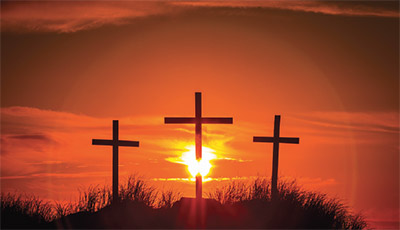
    As I’ll explain more below, the cross of Jesus will function as the “anchoring theme” of any study of the Bible.  The central anchor to all the themes will be the Lord Jesus Christ and His work on the cross. If we were to view the central theme of scripture as centered about "the cross and resurrection of Jesus", anything prior to the crucifixion would have the label: "pre-cross". Anything that would follow would have the label: "post-cross".
       
      We can think of this central theme like the Continental Divide in the Rocky Mountains of the United States. Geologists call this feature by another name, "The Great Divide", due to how much it influences the flow of water on the continent to either the Pacific Ocean or towards the Gulf of Mexico and the Atlantic. The Lord Jesus Christ and His accomplished work is that "Great Divide" of our Old and New Testament scriptures. 

        When Jesus arrived, He fulfilled over 100 scriptures in the Old Testament. The whole point of the Gospels, Acts, New Testament letters and the book of Revelation is to unpack the Lord Jesus Christ, His finished work on the cross, His resurrection and what He is doing currently in Heaven. This is the reason why "the cross" is considered the "theme-of-themes" in this "bird's-eye overview of the Bible". 

Closing thoughts:

     Today's post aimed to lay out a method of studying the Bible by way of themes. The goal of such a study would be to embrace the entirety of scripture across all its major themes as revealed in the 66 books. We saw that Jesus' cross and resurrection is the central, anchoring theme, hooking together ten Old Testament themes and ten New Testament themes we identified today. In short: 

1. The cross represents the central 
    character of the Bible - Jesus Christ.

2. The message of the Bible is about 
    God's plan of salvation. 

3. The goal of Biblical revelation is to 
    reveal the glory of God.

In the next post, we will consider that first major theme of our "bird's-eye view of the Bible": "Creation".   

Saturday, January 18, 2020

What is the Bible all about?

Image result for bible

2 Timothy 3:15-17 "and that from childhood you have known the sacred writings which are able to give you the wisdom that leads to salvation through faith which is in Christ Jesus. 16 All Scripture is inspired by God and profitable for teaching, for reproof, for correction, for training in righteousness; 17 so that the man of God may be adequate, equipped for every good work."

Introduction: 

    In nearly thirty years of preaching ministry, I've had a burden to draw people's attention to the Bible and the Lord Jesus Christ. What follows is an attempt to get people re-engaged with the greatest book ever written - and I may add, the only one which has demonstrated its claims as God's Divine revelation - the Bible. In April 2019, Barna Research Group released a poll entitled: "State of the Bible 2019 - trends in engagement". Readers can access this eye-opening poll by clicking here: https://www.barna.com/research/state-of-the-bible-2019/

     The poll suggests that although there is a slight increase in surface-level engagement with the Bible, the overall trend is drifting toward further disuse. The Bible, God's Word, is the chief instrument through which sinners are brought to saving faith in Jesus Christ (Romans 10:17). Furthermore, the Bible is the chief instrument for Christian growth and the church empowerment (see Romans 15:4; 2 Timothy 3:16-17). 
     
What is the Bible about?

     What is the Bible? This question is important to answer so that we can understand what the Bible is about. We can give four answers to this all-important question.

First, the Bible is the foundation of faith and life. 

     The Bible is not just a book, it is the "Book of books". Why? The Bible, by its very title, means: "The Book". The 19th century Baptist preacher Charles Haddon Spurgeon produced a systematic question and answer book to take his congregants through major doctrines of scripture and systematic theology entitled: "A Puritan Catechism", which readers can access here: https://www.biblestudytools.com/history/creeds-confessions/catechisms/a-puritan-catechism.html. Spurgeon had observed in his day the rapid decline of Biblical Christianity.  He wanted to ensure that the tremendous Christian heritage he had inherited would not go extinct. The opening questions Spurgeon raises demonstrate this first point of why the Bible is fundamental to faith and life. Spurgeon notes:

Q1: What is the chief end of man?

A1: Man's chief end is to glorify God, ( 1 Corinthians 10:31 ) and to enjoy him for ever. ( Psalms 73:25 Psalms 73:26 )

Q2: What rule has God given to direct us how we may glorify him?

A2: The Word of God which is contained in the Scriptures of the Old and New Testaments ( Ephesians 2:20 ; 2 Timothy 3:16 ) is the only rule to direct us how we may glorify God and enjoy him. ( 1 John 1:3 )

Q3: What do the Scriptures principally teach?

A3: The Scriptures principally teach what man is to believe concerning God, and what duty God requires of man. ( 2 Timothy 1:13 ; Ecclesiastes 12:13 )

Secondly, the Bible is God’s final revelation of Himself to mankind. 
Image result for gifts unwrapped
     Whenever you open birthday presents, you are ripping off wrapping paper to uncover the hidden gift inside the box. Revelation is when God takes away the “wrapping paper” of His hidden purposes to uncover to us His plan for our lives (see 2 Peter 1:20-21). The only book in the world that can rightly claim itself as God’s written revelation is the Bible. In as much as we've noted the fundamental place of the Bible as occupying final authority for faith and practice of daily living, we must point out that it only has this function due to God's revelation of Himself through its words. So what else is the Bible about? 

The third thing about the Bible is that it has full authority. 
Related image
      In addition to the Bible occupying a fundamental role in faith and life, as well as uniquely functioning as God's final revelation, we can understand why these first two thoughts lead us to see the full authority of the Bible. God revealed each book of the Bible by words through a process called: “inspiration” – which means “God’s out-breathing” (see 2 Timothy 3:16). The authority it carries as God's inspired collection of totally accurate, true and faithful words (and thus books) makes it unique. 

      The Bible contains 66 individual books, written by 40 authors, over 1500 years, on three continents, in three original languages. The Bible is God’s truth, no matter what place, time or language. Let's note one more important answer to our overall question: "what is the Bible about?". 
As a final thought on what the Bible is about, we can note....

The Bible’s focus – God revealed in Jesus Christ, to make know salvation and to point to God's glory.  
Image result for focus
      We could say that the Bible is: “the book of books, revealing the King of Kings”.  As the Bible focuses our attention on the Lord Jesus Christ, a focused message and goal emerges from its pages. The central message of the Bible is the Gospel. The Gospel is "good news" due to its life-changing contents. First, there is the Savior and Lord who is God and man - the Lord Jesus Christ, who lived, died, was buried and raised from the dead (1 Corinthians 15:1-6). Secondly, salvation is rooted in God's grace (that is, salvation unearned by good behavior, granted as a result of God's willing bestowal to redeem the sinner that He calls through the Gospel). Thirdly, salvation is received by a responsive trust in Jesus Christ as prompted by grace (otherwise known as, "faith, see Ephesians 2:8-9). Salvation is the Bible's central message, however, the overall goal of the the Bible is to make known God’s glory (God’s glory is when we can see all His goodness by what He reveals about Himself). These ideas tell us what the Bible “is all about”. 

Closing thoughts:

      Today's post aimed to introduce readers to answers to the big question: "what is the Bible all about?". We gave four responses:

1. The Bible is the foundation of faith 
    and life.

2. The Bible is God's final revelation of      Himself to mankind.

3. The Bible, as God's revelation, has 
    final authority.

4. The Bible’s focus – God revealed in        Jesus Christ, to make known          
    salvation and to point to His glory.  


Saturday, January 11, 2020

The good and bad angelic realms - a summary

Image result for Angels
Introduction:

The Psalmist notes in Psalm 148:1-5

“Praise the LORD! Praise the LORD from the heavens; Praise Him in the heights! 2 Praise Him, all His angels; Praise Him, all His hosts! 3 Praise Him, sun and moon; Praise Him, all stars of light! 4 Praise Him, highest heavens, And the waters that are above the heavens! 5 Let them praise the name of the LORD, For He commanded and they were created.” 

The late Baptist theologian Augustus Hopkins Strong notes about the importance of studying angels: 

“The doctrine of angels affords a barrier against the false conception of this world as including the whole spiritual universe.  Earth is only part of a larger organism.  As Christianity has united Jew and Gentile, so hereafter will it blend our own and other orders of creation."

Whenever anyone explores the various creatures in the Bible’s presentation of the supernatural realm such a study is called: “angelology”. Broadly speaking, the "good guys" in angelology represent varying orders of spiritual creatures, ranging from the highest level called, "the Divine Council (see Psalm 82, "sons of God") to that of a middle tier of beings known as, "Cherubim", "Seraphim" and "the watchers", to the third tier of every other spiritual being known simply as: "angels". This assortment of "good" spiritual beings populate God's invisible kingdom. 

       On the bad-side we have two other subheadings known as: “Satanology”, or the examination of Satan (his being, rebellion and work) and “demonology” (that is, the various ranks of spiritual beings). Satan and all the various sort of malevolent spiritual beings  populate the parasitic "kingdom of darkness". Below we have a chart that depicts the Biblical supernatural realm. Notice that in the diagram, angels occupy the third or lowest tier of the spiritual creatures in God’s invisible kingdom. 
     In what remains, I want to offer a brief account of the angels as they are portrayed in the Bible. I hope this summary edifies and equips readers with a better working understanding of the Biblical doctrine of angels (known, as noted above, by the term: "angeology").

1. Angels are created beings.

       We can note first, that like the other spiritual beings in the Biblical supernatural realm, angels are created beings.  Psalm 148:5 notes that the angels were created by the command of God, just like the visible universe, stars, planets, life and humanity. Hebrews 1:7, quoting Psalm 104:4, states: “And of the angels He says,

“Who makes His angels winds, And His ministers a flame of fire.” From what we can discern from Job 38:1-7, the entire supernatural realm was created by God on either days 2 or 3 in the creative week. 

2. There are Good and Bad Angels

     When God originally created the angelic realm, they were all good. The creation of the supernatural realm was followed by the cosmic rebellion of Lucifer, which in turn influenced other spiritual beings to become the fallen angels (Isaiah 14:12-20; Ezekiel 28:13-19; Revelation 12:4). Some of those fallen angels are chained and some roam freely between here and the heavenly realms (2 Peter 2:4; Jude 1:6; Ephesians 6:10-11). Thankfully, there are 2/3 of the heavenly angels faithfully serving God and His people (1 Timothy 5:21; Hebrews 1:14).

3. Angels are powerful beings

     Angels are dramatically powerful beings.  In 2 Kings 19:35 we read: “Then it happened that night that the angel of the Lord went out and struck 185,000 in the camp of the Assyrians; and when men rose early in the morning, behold, all of them were dead.”  Revelation 9:13-21 records a future time when God will release four angels to kill 1/3 of humanity in the judgment of The Great Tribulation.

4. Good Angels aid God’s people

     Is it scriptural to say that angels are deployed by God to aid Christians in their walk of faith? Absolutely! Consider Psalm 91:11 "For He will give His angels charge concerning you, to guard you in all your ways." Old Testament saints had angels assist them (Genesis 18; Psalm 37:4; Daniel 10:11). We see angelic aid of Jesus and other believers in the New Testament (Matthew 4:11; Matthew 26:53; Luke 22:43; Acts 12:6-8; Acts 27:23-24). Without a doubt, Christians today can still experience angelic assistance when they least expect it (Hebrews 1:14; 13:2). 

     Scripture reveals how angels can protect believers (2 Kings 6; Psalm 34:7; 91:11 Hebrews 1:14); help in grasping God’s truth (Psalm 68:7; Matthew 28:5-7; Acts 1:9-11; Luke 2:14) and point to Christ’s deity (Psalm 68:17; Daniel 7:10-13; Matthew 28). The Book of Revelation illustrates how angels aid believers. It contains roughly 25% of the 300 times we find mention of the good angels in the Bible. Often, the Book of Revelation describes angels announcing something or explaining to John the meaning of the various visions. 

Final thought of application:

    Today's post was intended to offer a brief treatment of the subject of angels. We noted the following:

1. Angels are created beings.
2. There are good and bad angels.
3. Angels are powerful beings.
4. Good angels aid God's people.

     The eighteenth-century preacher John Wesley once wrote the following about angels: 

"They may assist us in our search after truth, remove many doubts and difficulties, throw light on what was before dark and obscure, and confirm us in the truth that is after godliness. They may warn us of evil in disguise; and place what is good, in a clear, strong light. They may gently move our will to embrace what is good, and fly from that which is evil. They may, many times, quicken our dull affections, increase our holy hope or filial fear, and assist us more ardently to love Him who has first loved us."

Sunday, January 5, 2020

The heavenly spiritual beings that point us to God

Image result for stained glass windows
Isaiah 6:1-3 "In the year of King Uzziah’s death I saw the Lord sitting on a throne, lofty and exalted, with the train of His robe filling the temple. 2 Seraphim stood above Him, each having six wings: with two he covered his face, and with two he covered his feet, and with two he flew. 3 And one called out to another and said, “Holy, Holy, Holy, is the Lord of hosts, The whole earth is full of His glory.”

Ezekiel 10:20-21 "These are the living beings that I saw beneath the God of Israel by the river Chebar; so I knew that they were cherubim. 21 Each one had four faces and each one four wings, and beneath their wings was the form of human hands."

Introduction: 

The late theologian J. Hampton Keathley, III wrote an article on the purpose of studying the supernatural beings we find in the Bible (the article is found online at: https://bible.org/article/angelology-doctrine-angels). In that article we read:

“The fact that God has created a realm of personal beings other than mankind is a fitting topic for systematic theological studies for it naturally broadens our understanding of God, of what He is doing, and how He works in the universe.”

      Today we want to dive further into identifying what the Bible teaches about various orders of spiritual beings that populate the supernatural realm of Heaven, God’s throne room and which affect activities here on earth.

1. Cherubim. 

      We find Cherubim roughly sixty places in 13 books of the Bible. As noted in our last session, we could liken Cherubim as a sort of “secret service” to God. A brief summary of what the Cherubim do follows below.

a. Cherubim first appear in Genesis 3:24“So He drove the man out; and at the east of the garden of Eden He stationed the cherubim and the flaming sword which turned every direction to guard the way to the tree of life.” Cherubim as an order of spiritual beings defend the honor of God. Consequently, their presence, more-often-than-not, signified God’s holiness in judgment. 

b. The revelation of Cherubim extends into God’s design of the first Jewish worship center – the Tabernacle. Moses writes in Exodus 25:18, “You shall make two cherubim of gold, make them of hammered work at the two ends of the mercy seat.” Almost ten other passages in Exodus speak of Cherubim occurring in the metal work and fabric embroidery of the tabernacle’s design. God was communicating through the design of the tabernacle that He wanted to meet with His people, and they with Him (see Exodus 25:22).  

c. By the days of King David, Cherubim were closely identified with the throne of God – a short-handed way of describing God’s Divine presence and authority. In 2 Samuel 6:2 we read: “And David arose and went with all the people who were with him to Baale-judah, to bring up from there the ark of God which is called by the Name, the very name of the Lord of hosts who is enthroned above the cherubim.” 

d. The prophet Ezekiel affords us the most detail description of Cherubim in Ezekiel 10:20-21, “These are the living beings that I saw beneath the God of Israel by the river Chebar; so I knew that they were cherubim. 21 Each one had four faces and each one four wings, and beneath their wings was the form of human hands.” As a final thought about Cherubim, we find them mentioned in the descriptions of the ark of the covenant in Hebrews 9:5 and the heavenly worship scene of Revelation 4-5. 

2. Seraphim. 

     Theologian Lewis Sperry Chafer describes the Seraphim from his series on “Angelogy” (that is, “the study of angels”): “The Seraphim title speaks of unceasing worship, their ministry of purification, and their humility.” These spiritual beings are defined by the Hebrew noun “seraph”, which literally means, “burning one”. Isaiah 6:2-3 is the key Bible passage that mentions these specific creatures: “Seraphim stood above Him, each having six wings: with two he covered his face, and with two he covered his feet, and with two he flew. 3 And one called out to another and said, “Holy, Holy, Holy, is the Lord of hosts, the whole earth is full of His glory.” The only other passage that we may find Seraphim (some would classify them as similar to the “Cherubim”, opinions vary) is in Revelation 4:8.  Seraphim function like stained-glass windows in a mighty cathedral – pointing our attention to the source of their existence – God Himself!

3. Archangels. 

     There is only one archangel mentioned in the Biblical text, namely, “Michael” (see Daniel 10,12; Jude 1:9; Revelation 12:7). Michael’s power and abilities exceed that of regular angels. In Revelation 12:7-9a we get an idea of Michael’s power: “And there was war in heaven, Michael and his angels waging war with the dragon. The dragon and his angels waged war, 8 and they were not strong enough, and there was no longer a place found for them in heaven. 9 And the great dragon was thrown down….”. 

4. Watchers.

For the sake of completeness, the Book of Daniel mentions what are called: “The Watchers”. We only find these beings in three verses of the entire Bible (Daniel 4:13,17,23).  The execution of God’s decree came through what Daniel 4:17 describes as: “the decree of the watchers” -  “This sentence is by the decree of the angelic watchers and the decision is a command of the holy ones, in order that the living may know that the Most High is ruler over the realm of mankind, and bestows it on whom He wishes And sets over it the lowliest of men.” These “watchers” are perhaps among the most mysterious and least known of all the spiritual beings we encounter in the Bible. Most English translations will either translate the underlying Aramaic term as “watchers” or insert the term “angelic” alongside “watchers”. I won’t go into all the details of the wider background of Daniel that we can use as clues to their identity – only to say that “the watchers” are associated somehow with God’s throne and the announcing of his decrees. 

Closing thoughts:

We’ve considered four different classifications of spiritual beings that occupy various rankings in the Bible's portrayal of the supernatural realm. Time nor space does not permit comment on the remaining beings that the Bible collectively refers to as: "angels". The angels are another order of spiritual beings that, like their higher-order spiritual counterparts, function to point us to God. I will close with the following note of application from theologian Wayne Grudem: 

“As angels find it their highest joy to praise God continuously, should we not also delight each day to sing God’s praise, counting this as the highest and most worthy use of our time and our greatest joy?”