Translate

Sunday, March 15, 2020

Bird's-eye view of the Bible: The theme of "straying away from God" as found in 1,2 Kings and 1,2 Chronicles.

Image result for model cars
Introduction:

      When I was a boy, I put together model cars. I would spend hours painting and gluing them together. Each time I finished a model car, I would show my dad. He and I would look at the model car from every angle. My dad would then tell me a story about a real life car. The model car represented to me the reality of the memories shared between my father and me.


       God called forth the nation of Israel to model His Kingdom before the nations of the world. We've learned of how God used a man named David to rule over the kingdom of Israel in Jerusalem. God's kingdom is the reality, realm and right He has to be King over us in matters of life and salvation. King David, and his son King Solomon, received God's promises of an enduring Kingdom and an ultimate King that would descend from them.  The last post featured the theme of: "the kingdom of God". For the other themes explored in our "bird's-eye view of the Bible", readers can review them in the following links:

1. Theme of Creation in Genesis 1-2.
http://www.growingchristianresources.com/2020/01/birds-eye-view-of-bible-theme-of.html

2. Theme of Catastrophe in Genesis 3-
    11.
http://www.growingchristianresources.com/2020/02/birds-eye-view-of-bible-theme-of.html

3. Theme of Patriarchs in Genesis 12-
    50.
http://www.growingchristianresources.com/2020/02/birds-eye-view-of-bible-theme-of_9.html

4. Theme of Redemption in the books 
    of Exodus through Deuteronomy.
http://www.growingchristianresources.com/2020/02/birds-eye-view-of-bible-theme-of_12.html

5. Theme of Spiritual Victory in the 
    Book of Joshua.
http://www.growingchristianresources.com/2020/02/birds-eye-view-of-bible-theme-of-victory.html

6. Theme of Spiritual Defeat in the 
    Book of Judges.
http://www.growingchristianresources.com/2020/02/birds-eye-view-of-bible-breaking-sin.html

7. Theme of the kingdom of God in 1 and 2 Samuel.

How the actions of Adam and Eve are echoed in the history of Israel and its kingdom.     
Image result for Adam and Eve garden of Eden
      In many ways, Israel functioning much like Adam had in the garden of Eden. God gave an original covenant. Like Adam, Israel was to model before all creation what God was like in His ways and works. Sadly, like the original Adam, Israel would divide from God. More and more, Israel wanted to be like everyone else.
Image result for king solomon

      King Solomon began his reign as a good, Godly king. God would enable Solomon to have the most wealth and wisdom of any king before or after him. Yet, Solomon became distracted by other women besides his wife (1,000 to be exact!). Soon Solomon would drift further and further from God, almost to the point of complete division from Him. The books of Song of Solomon and Proverbs record Solomon's life in his younger and middle age years. Solomon evidences a heart for God, full of wisdom in those two books. The third and last book he would compose, Ecclesiastes, records disappointments, regrets and warnings to those who would try to walk away from God. As far as we know, Solomon repented or turned back to God before he died. Nevertheless, the consequences of his actions would lead to the kingdom of Israel dividing into two nations and strayed away from God. Once again, we see how much man is in need of God. 

Whenever the follower of Jesus experiences straying away from God.
Image result for wandering away from god

      If you have trusted in Jesus, and have, for the most part stayed faithful to Him up until this point, I praise God for you doing so. All Christians do experience those moments, days or weeks where they can stumble, due to their own carelessness or wrong choices (James 1:3-7). However, there are also those times when Christians can stray more severely from God and go for a short while not wanting to grow deeper in Jesus, the Bible, prayer or church (1 Corinthians 3:1-4). In both types of situations, the causes are similar: carelessness, bad choices, also not knowing sound doctrine, not knowing their Christian identity and of course, influences around them.
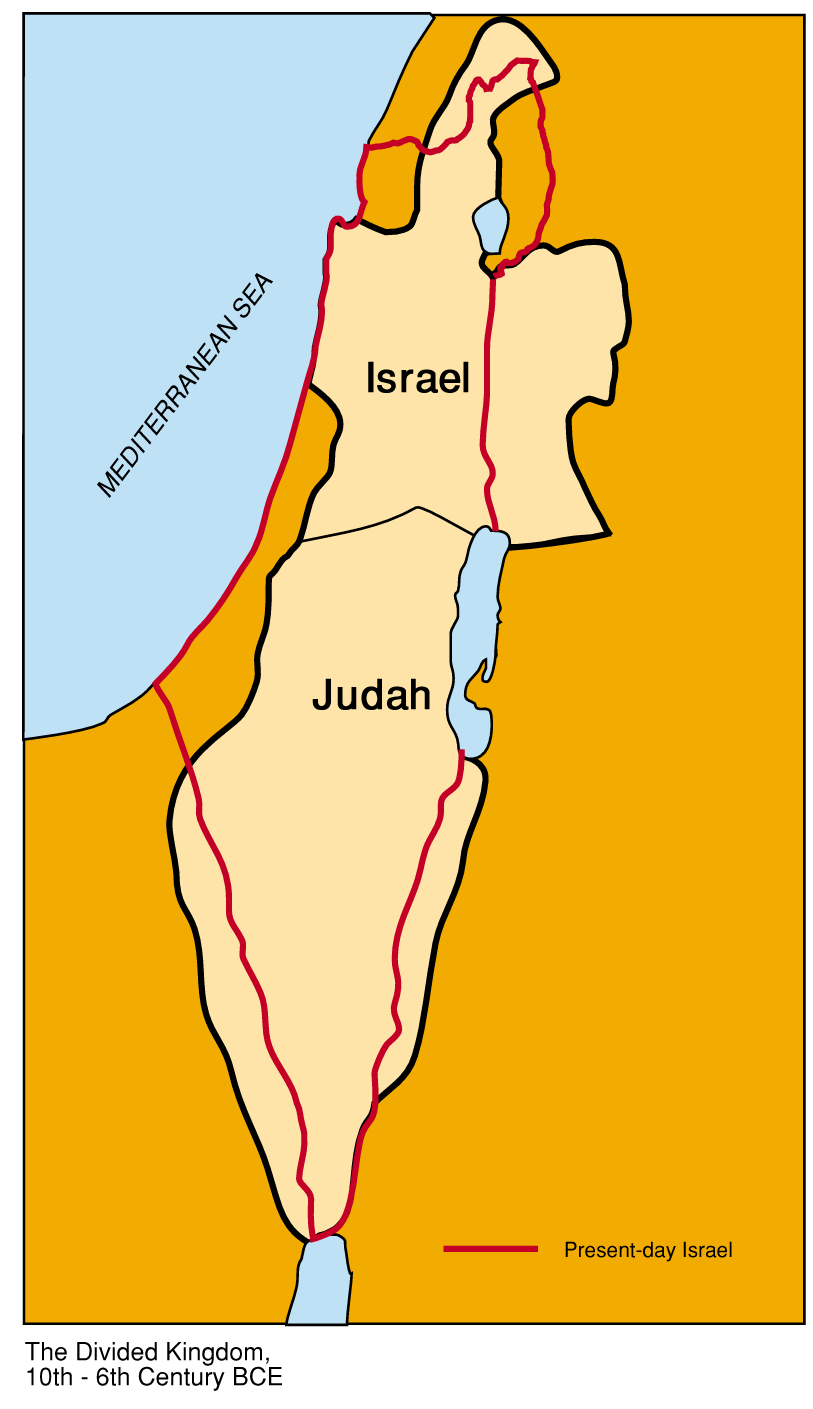
Image result for northern and southern kingdoms of israel map        As we read through the nearly 40 kings that would reign in the divided kingdoms of Israel (the Northern Kingdom) and Judah (the Southern Kingdom), we will find these causes behind their straying away from God: carelessness, bad choices, also not knowing sound doctrine, not knowing their Christian identity and of course, influences around them.

The causes of straying away from God, and how to get back on track.

1. The kingdom if Israel divides in two due to carelessness, bad choices, forgetting their identity and giving into influences around them.
Image result for criminals arrested

       Before King Solomon died, God warned that the kingdom of Israel would split between those loyal to his son Rehoboam and those loyal to his army general Jeroboam (1 Kings 11:12-13). We know from ways of dating events that the year was 971 b.c. Rehoboam assumed the throne of Jerusalem after his father, Solomon, had died. Rehoboam was the original son Solomon addressed the Book of Proverbs to in heeding wisdom and following God...sadly, Rehoboam ignored his father's words - which were ultimately God's words  (we have Proverbs in our Bibles). Rehoboam had wanted to show himself a strong ruler and had a choice between listening to wise counsel and the advise of his friends. His friends advised him to place heavier burdens on the people than his father Solomon had done, and so that was what Rehoboam chose to do.

      It wasn't long until ten of the twelve tribes followed after Rehoboam's army general (Jeroboam) and made him their own king, moved themselves up North beyond Jerusalem and made their own capital city. Jeroboam would show himself as careless and unwise in decision making as Rehoboam. The Bible tells us that Jeroboam invented a religion in competition with the true worship of the true God, Yahweh. Jeroboam and the people demonstrated they cared more about personal preferences than what was doctrinally right.

2. Straying away from God can lead to tragic consequences.
Image result for grieving people in a cemetary

        As you begin to follow what would become two separate kingdoms (the Southern Kingdom of Judah, led by Rehoboam) and the Northern Kingdom of Israel (led by Jeroboam), the "straying away from God process" was well underway.  They each made bad choices, were careless, forgot about Biblical doctrine and forgot about their true spiritual identity. The downward spiral of straying away from God then led each to desire to be like the nations around them. The Northern Kingdom would begin to worship a false god called: "Baal". The Southern Kingdom would later on begin to worship Baal because it saw the Northern Kingdom doing it and liking it. Sadly, the people became a divided kingdom and were spiritual straying away from God.

       The four causes we noted of straying away from God: bad choices, carelessness, bad doctrine, ignoring one's true spiritual identity and yielding to influences, we're all present when the kingdom divided. The Northern Kingdom (known also as "Israel") would last over two hundred years before it came to an end. As we read of the roughly twenty kings which would reign in the Northern Kingdom, not one of those kings were godly kings. God sent prophets to warn the people of the consequences that would follow if they did not turn back to Him and quit their straying from God. Tragically, the Northern Kingdom ignored God and as a result, God sent the powerful Assyria empire to put an end to the Northern Kingdom in 722 b.c.

3. How the Southern Kingdom (known also as "Judah") illustrates how God gives those whom He has redeemed many chances, thus ensuring they will accomplish His will. 

Image result for second chances

       Even if we find ourselves straying from God, God always sends us warnings to give is a chance to turn back. The Southern Kingdom of Judah also had 20 kings rule in Jerusalem over its nearly 350 year history. God had  chosen the Southern Kingdom to fulfill His purposes of salvation and to bring about the Messiah: Jesus Christ. Even though it was as rebellious as the Northern Kingdom, God's gracious calling was ever in its ears. We find that there were eight godly kings out of the twenty who that reigned in Jerusalem. God used them to lead spiritual awakenings in Judah. 

     God also sent prophets (such as Elijah, Elisha, Isaiah, Jeremiah and others) to not only Judah, but to the Northern Kingdom as well. The Southern Kingdom would at times temporarily turn back to God, only to mess up and repeatedly stray away.
Image result for spiritual revival
        Thankfully, God is a God of many chances. As we had mentioned before, there were eight kings God used to spawn spiritual awakenings in the Southern Kingdom of Judah. Solomon's son Abijam (1 Kings 15:3) started out well, just like his father, in walking in the ways of the Lord. Other kings such as Jehoash (2 Kings 12), Amaziah (2 Kings 14) and Uzziah (2 Kings 15) all started out on the right foot with God. Tragically though, pride or self-interest got the best of them and both they and the nation suffered. We are reminded of how important it is to keep an eye one one's heart in times of great spiritual growth. Oftentimes, the greatest believers of times past have experienced increased pride and temptation when walking strong for God.

       We also find three exceptional kings in Judah that not only began well - but ended well. King Asa (1 Kings 15) was used by God to defeat an attacking army of over one million soldiers. King Jehoshaphat (2 Chronicles 17) refused to listen to false prophets and preferred hearing God's word from true men of God. King Josiah (2 Kings 22) was the godliest king of all the kings who ever ruled in Jerusalem. King Josiah was only eight years old when he started, and led the Southern Kingdom in its last and greatest spiritual awakening.

Closing thoughts: God never forsakes His people, even when they stray from Him.

     As we noted, God is a God of many chances. Despite good godly kings, prophets and several spiritual awakenings, the Southern Kingdom still strayed from God. Eventually, God would send the Babylonian Empire to capture the inhabitants of Jerusalem, take them prisoner and begin a seventy year long exile of the people in 586 b.c. When someone is exiled, that person is taken away from their homeland to another place where they learn a new language, customs and even religion. God had predicted and warned about this particular time (Deuteronomy 28; 2 Chronicles 36) through prophets like Jeremiah.
Image result for babylonian exile map       The people ignored God's warnings and strayed away from Him. Although the people of the Southern Kingdom of Judah would live in Babylon for seventy years, God did not abandon them. As we will see in the next theme, God reminded the people that He was keeping the promises He made to Abraham, Isaac and Jacob. Although we may at times stray away from God, He will never forsake us.

Sunday, March 8, 2020

Bird's-eye view of the Bible - The theme of God's kingdom - thoughts about how the kingdom of God is revealed in the Bible

Image result for king crown
Introduction:
    
     We have traveled over 3,000 years of time in our "bird's-eye view" of the Bible. We first decided to work our way through the Bible by way of major themes. We've journeyed through seven themes so far: Creation, Catastrophe, Flood, Patriarchs, Moses, Victory, Spiritual Defeat. For sake of convenience, I'll list the previous posts dealing with this themes:

1. Theme of Creation in Genesis 1-2.
http://www.growingchristianresources.com/2020/01/birds-eye-view-of-bible-theme-of.html

2. Theme of Catastrophe in Genesis 3-
    11.
http://www.growingchristianresources.com/2020/02/birds-eye-view-of-bible-theme-of.html

3. Theme of Patriarchs in Genesis 12-
    50.
http://www.growingchristianresources.com/2020/02/birds-eye-view-of-bible-theme-of_9.html

4. Theme of Redemption in the books 
    of Exodus through Deuteronomy.
http://www.growingchristianresources.com/2020/02/birds-eye-view-of-bible-theme-of_12.html

5. Theme of Spiritual Victory in the 
    Book of Joshua.
http://www.growingchristianresources.com/2020/02/birds-eye-view-of-bible-theme-of-victory.html

6. Theme of Spiritual Defeat in the 
    Book of Judges.
http://www.growingchristianresources.com/2020/02/birds-eye-view-of-bible-breaking-sin.html

    We secondly observed how God deals with His creation and people by way of covenants. Adam and Eve had broken God's first covenant with them as representatives of all humanity - resulting in all humanity experiencing the curse of sin. God then gave them a covenant of grace which looked ahead to what Jesus would ultimately accomplish on the cross and which is entered upon by faith. It seems like every major figure in Biblical history has a version of the covenant of grace (Abraham, Noah and God saving Israel out of Egypt) to point us ahead to what God would do in Jesus.

      We then thirdly noticed that God curbs mankind's sinful wickedness by pointing mankind to his need for God. God had given Adam and Eve original righteousness in their state of innocence, but they rebelled against Him. God then would work through mankind's conscience, teaching them how to govern themselves (during Noah's time), give them promises of hope (beginning with Abraham) and reveal His commandments or law (beginning with Moses). The purpose of each of these stages of history was to test mankind to point them to their need for grace and salvation. The remainder of the Old Testament, from the days of Moses up until the time of Jesus is referred to as the "time" or "age of the Law". As God focuses His salvation purposes through one nation - Israel - we will see Him unfold the next major theme we see in our overview of the Bible: "The Kingdom of God". 
Image result for drifting ship

1. The sadness of drifting away 
    from God

    We now see Israel, the main people of the Old Testament, in a sad state of spirituality by the end of the Book of Judges. God appointed twelve judges to lead the people back to God. At times the judges succeeded, but most of the time the judges failed God as much as the people. The increasing sadness of spiritual decline would continue through the books of Ruth and 1 Samuel. Just when it seemed all hope is lost, God began to reveal more of His words through a prophet named Samuel. As we will journey through 1st and 2 Samuel into the book of 1 Kings, four main men are featured: Samuel the prophet, King Saul, King David and King David's son - King Solomon. 

Image result for rescue boats
2. God's kingdom is what rescues 
    people from drifting away from 
    Him.

    God promised Abraham that from his family bloodline would come forth kings (Genesis 17:6, 16). It is in God's covenant with Abraham we see first glimpses of what the Bible reveals as: "God's kingdom". God's kingdom refers to His ruling, redemptive reign. Bible teacher Dwight Pentecost, in his classic book, "Thy Kingdom Come", describes three characteristics of the kingdom as having: right to rule, a realm to rule and reality to rule. 

      To summarize much of what Dr. Pentecost wrote about the kingdom of God, we first see that God has the right to rule, since He is Creator of the world and Redeemer of His people. God had done a lot for Israel, making her from a group of slaves in Egypt into a nation established in the promised land. Despite the people's repeated failures, God was going to bring about His promise to Abraham. Israel would transition from being a nation with no king and kingdom to becoming a very powerful kingdom.  

     We then also note that God's kingdom also refers to a realm or area over which He reigns. His Kingdom is ultimately over the universe. What God does to communicate His right to reign is to take His people and develop a relationship with them - which describes the focus of the realm of His reign. Under the leadership of Kings Saul, David and Solomon, the people would have 120 years of experiencing what it was like to have a human king. God had revealed through Samuel and other prophets that He was Israel's True King, and that the human kings (Saul, David, Solomon) were established by him to lead the people.

     We then note thirdly that God not only has the right to reign, and a realm, but also really is King. The kingdom of Israel under Saul, then David and Solomon, had united together all the twelve tribes of Israel. Israel as a physical, earthly kingdom in the Old Testament, was to point the way to the True King of Kings - the LORD - and His heavenly Kingdom. We could say much about all that went on during this time, especially with regards to King David. 
Image result for king David
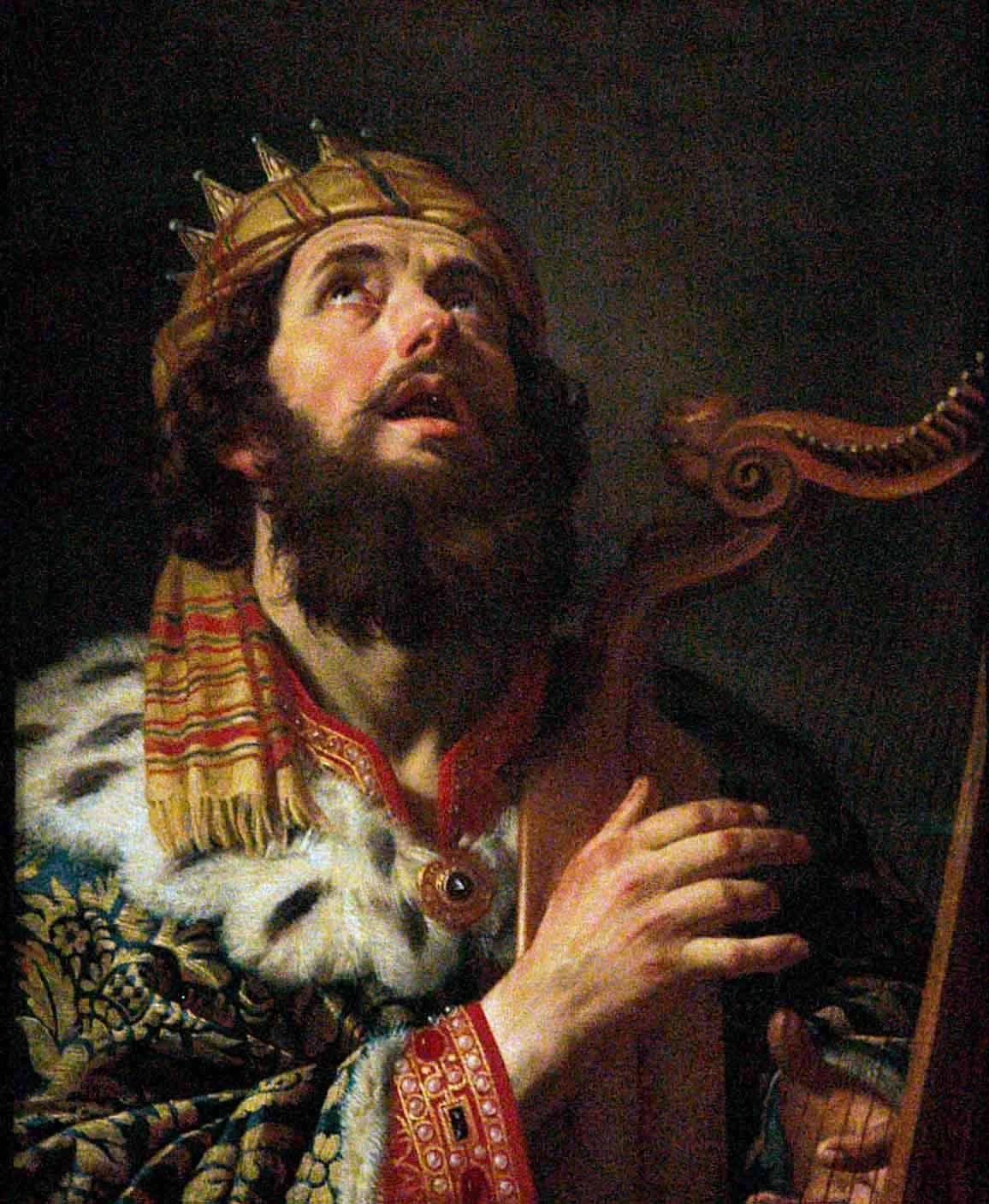
      David was God's choice man to succeed King Saul (1 Samuel 15). When Saul was killed in battle, David was installed as King over Hebron (2 Samuel 2) and then all of Israel (2 Samuel 5). God gave David a covenant which included the promise of an ultimate heir to reign on the throne attached to His name for eternity (2 Samuel 7:13-16). David would eventually experience moral failure (2 Samuel 11) and experience the death of many of his sons, grief and sorrow. Still, God never left David. We know David would compose at least half of the psalms records in the Book of Psalms. By the end of 2 Samuel, we find David on his death-bed, trust God and looking ahead to the promise God gave Him of an ultimate heir. God's kingdom promises held David in his faith.

3. God's kingdom is revealed in 
    stages.

    As we sketched the life of David and the history of Israel's kingdom beginning with Saul, then David and other kings, we can note how this theme of "God's kingdom" unfolds in successive stages through the Bible. 
Image result for god and creation
a. God's ruling redemptive reign is 
    in one sense eternal, before 
    creation. 

    We know already that the kingdom of God is in one sense eternal, since God knew all things in His mind before He created creation. God then made known His eternal kingdom to Adam and Eve, who were to assist God in reigning over the creation and tending to it (see Genesis 1:26-27). 
Image result for light and darkness
B. God's kingdom has been in war 
    with the Kingdom of darkness. 

     As a result of the fall, the kingdom of authority of Adam of Eve was interrupted. Another lesser kingdom, the kingdom of Satan, entered into the picture. We find God teaching humanity the principles of government which would lead to the formation of the kingdoms of men (see Genesis 9-10). Sadly, the kingdom of Satan would mix with the kingdoms of men to form what would be otherwise known as this worldly system - typified in the Tower of Babel catastrophe in Genesis 11. 
Image result for god's promise to abraham
C. God's Kingdom became revealed 
    as promise through the 
    covenants. 
    
    God's kingdom never went away despite Satan's best efforts. What God did in Genesis 12 is turn His attention from the kingdoms of men to one man - Abraham. God would gradually reveal His Kingdom by the route of promises and covenants. As we then come to people like King David, we discover God wanted to see one nation - Israel - function as a model for His heavenly Kingdom. Israel's story throughout the remainder of the Old Testament would end just like Adam and Eve: brokenness, sin and destruction. However, God's kingdom would point ahead to the coming of Himself in the Person of the Son, who would become man and reveal Himself as the true King. 
Image result for bibles
D. The kingdom of God is presently 
     a spiritual reality. 
     
     The Kingdom of God, primarily a Heavenly and spiritual reality, is proclaimed by Jesus and then His church. The time will come though whenever the kingdom of God - a primary spiritual reality, will become visible and earthly at Jesus second coming. 
Image result for millennial kingdom
E. The kingdom of God will come with Jesus as a revealed, physical reality. 

     As I understand Revelation 20 and other passages, the earthly phase of Jesus future reign upon the earth (what we call "the millennium"), will endure 1,000 years. The final stage of God's kingdom will occur when Jesus hands over all things to the Father (1 Corinthians 15:23-28). 
Image result for infinity symbol
F. The kingdom of God will endure 
    for eternity. 
   
     As one peers into the final two chapters of the Book of Revelation, it is there we see the Kingdom of God in its eternal state, having overcome both the kingdom of Satan and the kingdoms of this world (Revelation 11:15; Revelation 21-22).  

So what?

    This theme of "the kingdom of God" has direct bearing on all people. For those who have not yet trusted in Jesus, they currently are under the dominion of the Kingdom of darkness (2 Corinthians 4:1-4; Ephesians 2:1-2). What is needed is for such persons to belief, repent and be saved from their sins and God's wrath and to turn to Jesus by faith, resulting in a transfer from the kingdom of darkness to the Kingdom of God's wonderful light (John 5:24). We know that the kingdom's of this world, though by-and-large influenced by the kingdom of darkness, are still used by God to uphold and make the laws which govern our cities and nations (Romans 13:1-2). 

    Truly then, there is no facet of physical life nor spiritual life that is not somehow touched by the kingdom of God. Is it no wonder then that next to Jesus' predictions of His crucifixion and resurrection, no greater theme summarized His earthly ministry and preaching like the Kingdom of God. Unless we grasp what we are talking about when we speak of the kingdom of God, we won't see how Jesus is the true King. 


Friday, February 28, 2020

Bird's-eye view of the Bible - "breaking the sin-cycle" - thoughts from the Book of Judges

Image result for ambulance
Introduction:

         So far in this series of posts, we've done a birds-eye view the Bible through the first six books of the Bible. We've noted six themes: creation, catastrophe, patriarchs, redemption and spiritual victory. Today's post will journey through the Book of Judges as we consider our six theme in this continuing blog-series: "breaking the sin-cycle". 

        The next time you see an ambulance, make sure you take a close look at how the word, "ambulance", is written on the front of it -  (the letters are written backwards). Why do ambulances have this weird feature of their very name written in reverse letters? Because whenever you see the name, "ambulance" in the rear view mirror of a car, the word appears with the letters facing the right direction.  Mirrors reverse whatever image is reflecting off of them. Whenever we place the Biblical books of Joshua and Judges side-by-side, they're almost mirror opposites. We saw in the last theme of our "birds-eye" study of the Bible that Joshua communicated to us what it means to have spiritual victory. In this next theme, we will look at Judges, which will teach us of the cycle of sin. Thankfully, we will learn from it how we can break the cycle of sin in our lives.

1. Slipping from spiritual victory     
    into spiritual defeat. 
Image result for defeat
      We read at the end of Joshua 24:31 the following: 

"Israel served the Lord all the days of Joshua and all the days of the elders who survived Joshua, and had known all the deeds of the Lord which He had done for Israel."

       The people as a whole were experiencing spiritual victory as they were finally living in the place promised to them by God. To put it another way, God's people were "in the will of God" or "they were doing what they were supposed to do for God". 

       Roughly 300 years of time passes before our eyes in the Book of Judges. A generation or two comes and goes between Joshua and Judges. Sadly, once Joshua and his generation goes off the scene, the nation of Israel begins to drift away from God. The spiritual condition of the people of God changes from spiritual victory to utter spiritual defeat. Four times (Judges 17:6; 18:1; 19:1; 21:25) we find the following summary of how bad things would get in Israel: "there was no king at that time, and everyone did what was pleasing in his own eyes". As I mentioned earlier, Judges became the spiritual mirror opposite of Joshua.

          So what would lead a group of spiritually strong people to become so off track with God? The answer is found in what the Bible describes as the Christian's three main enemies. The first enemy is the Devil. Now we must not think that the Devil can make us do anything - since anytime we sin we do so of our own choice. Yet, the Devil and his kingdom of darkness is behind the temptations that work against us (see Ephesians 6:11-12). Whenever you read the opening chapters of Judges, you find the people compromising with idol worship. False religion is sourced in the evil workings of the Devil and the forces of evil that blind people to the truth of the Lord (2 Corinthians 4:1-4). Even believers have to watch out for the clever deceptions of the Evil One, since He wants to destroy and discourage believers in their faith (see 1 Peter 5:8).

             The second enemy of believers is the "world". When I refer to the world, I'm not talking about our planet. Instead, I mean the system that is opposed to Jesus and manipulated by Satan, wrong ideas and man's sinfulness. 

      1 John 2:15-17 warns us:  "Do not love the world nor the things in the world. If anyone loves the world, the love of the Father is not in him. (16) For all that is in the world, the lust of the flesh and the lust of the eyes and the boastful pride of life, is not from the Father, but is from the world. (17) The world is passing away, and also its lusts; but the one who does the will of God lives forever." The Israelites in the time of Judges had to deal with temptations like immorality and "fitting-in" with the crowd. Such surroundings tricked God's people into a more "worldly" direction.

      The third enemy of the believer is what the Bible calls: "the flesh". The term "flesh" speaks of any internal desire that opposes God. We can see examples of various Judges getting in trouble with preferring their internal desires to that of God's wisdom. An example of this is Samson.  He kept on relying on his own opinions and what others told him. 

       So the three enemies of the world, the flesh and the Devil were working against the Jewish people, just as all three oppose every Christian today. Whenever we choose to follow anyone of those three enemies, we will find ourselves getting stuck in a cycle of sin. James 1:13-15 reminds us: 

"Let no one say when he is tempted, “I am being tempted by God”; for God cannot be tempted by evil, and He Himself does not tempt anyone. (14) But each one is tempted when he is carried away and enticed by his own lust. (15) Then when lust has conceived, it gives birth to sin; and when sin is accomplished, it brings forth death."

2. Getting stuck in the rut of sin
Image result for stuck in a rut
      Have you ever seen a car get stuck in the mud or snow? One reason a car can remain stuck is due to ruts. Whenever we find ourselves in a repeated cycle of sin, we call that a "rut". What cycle or "rut" do we find in Judges? Judges chapter two lays out a six-step cycle of sin that is repeated by the Israelites in Judges:

-They sin  (Judges 2:11-13).
-They're overwhelmed by enemies (2:14-15).
-They beg God for help (2:16-18).
-Israel would repent, then slip back (2:19).
-The people would sin worse (2:20).
- Cycle repeats.

3. How can you and I get out of the cycle of sin or "the rut".
Image result for rut
     In all the times we find Israel in their cycles of sin, the only time we find the cycle coming to a temporary stop is whenever they did two things: "confess their mess" and "repent and return to God". The first step, "confession", means to tell God what we did, and that what we did we recognize as wrong. God already knows about our sin. We need to recognize that our sin is sin. In confession, I'm admitting that I'm wrong, and that I need Jesus to forgive me (1 John 1:9). When we confess our sin to Jesus, our closeness or fellowship with God is renewed.  There is a second step: repentance. Repentance means: "to change one's mind about sin and and get back to God". Repentance doesn't merely mean: "I'm sorry".   It's more than that. Repentance wants to get right with God and thus, hates the sin that interrupted closeness with God (see 2 Corinthians 7:5).

       In thinking back to God's covenant of grace (remember God's covenant with Adam and Eve, as well as the repetition of it to Noah and Abraham), that covenant was shown most fully in Jesus' cross and resurrection. The Holy Spirit, at saving faith, unites the believer to Jesus and the achievement of His work on the cross and from the empty tomb. This union with Christ is the resource by which Christians are able to break free from repeated sin-cycles (Galatians 2:20; 1 John 1:9). The Christian keeps on confessing their need for Him and turning away from sin to Him. When Christians confess and repent, they're not getting "resaved". Rather, the Christian is growing spiritually and breaking the cycle of a particular sin, thus making a deeper commitment to love Jesus and hate sin. We can learn what not to do, and how to regain spiritual victory by reading through the book of Judges. 

Return back for our next theme.

Friday, February 21, 2020

Bird's eye view of the Bible - The theme of victory


Image result for spiritual victory in Joshua
Introduction:

      Have you ever watched any sport where one team scored nearly all the points? If you have, it is likely you heard such descriptions of that game as: "it was a shut out" or "that team dominated the other". In other words, the winning team was able to obtain not just a victory, but an "upset victory". 

      In our bird's eye view of the Bible thus far, we've considered five themes: creation, fall, catastrophe, patriarchs and redemption. We saw how God chose to relate to all He made by way of "covenants" or "binding promises" in two main covenants:
Image result for sin in the Garden of Eden 

1. A covenant of works (which Adam 
    and Eve broke, leading to the  
    catastrophe of the fall).
Image result for cross of Jesus

2. And a covenant of grace (which God 
    made with them, based on grace, 
    through faith and shedding of 
    innocent blood). 

    We also noted that God regulates the moral state of mankind (that is, mankind's continued rebellion against Him) by conscience, government, promise and God's law. The next theme we will consider in this section is that of "victory". The Book of Joshua illustrates the Christian life and the call to spiritual victory.

1. God the Holy Spirit calls believers to spiritual victory.
Image result for basketball
      Now imagine a last-place basketball team that plays a championship game against a first place team - who would you expect to win? Once the game is over, we may expect the first place team. However, if the last place team got a victory over the first place team to win the championship, we would wonder how did such a win come about? A few may begin to wonder if the conquering team had help from above? 

      In the Biblical book of Joshua, we find the Hebrew people called by God to victory in the promised land. The promised land was rightfully their home by the promise or covenant He had given to Abraham, Isaac and Jacob. God had given them the promises, but now they needed to take possession of the them. 

      Christians are spiritually compared to Israel in the book of Joshua (Hebrews 3-4). We have a better set of promises than they did because Jesus died and raised from the dead in our place (Hebrews 8). What is also better for Christians is that God lives inside each one by the Person of the Holy Spirit (1 Corinthians 3:16; 6:19-20). 

2. Believers must choose to rely on 
    Jesus to lead them.
Image result for Red Sea crossing
    A Christian is called by God to spiritual victory, however, they need to choose to trust Him to lead them. The Exodus out of Egypt and crossing of the Red Sea pictures salvation, since Christians are people freed from sin's enslavement to enjoy freedom through faith in Jesus Christ (Romans 6:12-14; 8:7-9). We can illustrate salvation by the Exodus. When God brought the people out of Egypt, He was "getting the people out of Egypt". Yet, the remainder of the Christian life is about the Holy Spirit working with the Christian to get their love for the world, or former life (illustrated by "Egypt") out of them. 

         The Hebrew people became publicly identified as a rescued people when God gave them the ten commandments at Mt.Sinai through Moses. Like Adam and Eve, they broke God's covenant to them, resulting in their wandering in a desert for forty years. However, God did not give up on them. He kept His promise of grace which He had given to their ancestors Abraham, Isaac and Jacob. This ever reminds us that whenever a Christian messes up, God is ever forgiving and faithful to keep His promise never to leave nor forsake us (2 Timothy 2:13; Hebrews 13;5).
Image result for Lordship of Jesus
     What the people needed to learn was how to trust God to lead them - a concept called, "Lordship". For the Christian, Jesus becomes their Lord at salvation, but learning to enjoy His authority over them is a life-long experience. In order to cross over into the promised land, there needed to be a Jordan River that was flooded and flowing. Trusting God's Lordship meant they had to rest in His ability or "Lordship" to help them cross what was otherwise a "river of death". 

     Christians too are called to have a willingness to follow Christ as the One who leads (Hebrews 4:1-4). The Jordan River teaches us the lesson of reliance upon God.

 3. Spiritual victory requires the     
    believer to cooperate with God.
Image result for working with God
     We've seen then that believers must rely upon Jesus as the heed the call to spiritual victory. To remain victorious in the Christian life, the follower of Jesus must exercise cooperation with God. 

      As Christians begin their relationship with Jesus Christ, they must fight the good fight of faith (Ephesians 6:11-18; 2 Timothy 4:6-8). Israel had to fight their opponents at various cities (Joshua 4-10). They then had to secure whatever progress they made by continually trusting God to lead them. Once Israel crossed the Jordan River to begin their taking back of the Promised-land, it was not going to be easy. There was a necessary cooperation with God if the people were going to remain in victory. 

      The people who lived in that land inhabited it for centuries. For anyone who trusts in Jesus today, following Him isn't easy. Whatever sort of life anyone lives prior to saving faith is still remembered, with old habits and thinking not completely forgotten. The Holy Spirit's job back in Joshua's time and today is to strengthen believers to deal with those things which stand in the way of following Jesus more closely. 
      
       Furthermore, just as the Canaanites in Joshua weren't going to give up without a fight, so too, our internal desires to still sin will daily clash with the believer's new inward desires to follow Jesus (see Romans 7:14-23). Furthermore, unless God helped them every step of the way, and unless they cooperated, they would never possess the land that was their land by promise. 

       The Christian life is about fighting against the desires of our heart to disobey God (called, "the flesh", Romans 8:7-8). Moreover, the Christian has to also resist the temptations of the world (1 Corinthians 10:13; 1 John 2:15-17) and the Devil (1 Peter 5:8). Getting victory won't happen if we don't cooperate with God by daily reading our Bible (Joshua 1:8), praying (Philippians 4:6-7) and weekly church attendance (Hebrews 10:24-25). In other words, we must work with God as He works in us to grow as those who have trusted in Jesus by faith. 

4. Spiritual victory involves 
    continuing in the way obedience 
    to the Lord.
Image result for obedience to God
       As we come to the end of our flight through this theme of victory, we noted that the Christian is called, must choose to trust God and cooperate with Him to live in spiritual victory. The Book of Joshua emphasizes one more truth: the need to continue in obedience to the Lord. 

      We find Joshua giving his final farewell to the people. He warns them that the challenges they faced in the promised land won't go away. Furthermore, times will come when they have to choose between what is popular and what is right. Whenever the Christian gains victory, it is much tougher to remain victorious. Romans 12:1-2 reminds us that we are to present our bodies as living sacrifices, acceptable unto God, which is our spiritual act of worship. We must also make sure we're not trying to "fit in with everyone else" (what Romans 12:2 calls, "not being conformed to this world"). Rather, we must be changed in the renewal of our minds. 

       Following the Lord everyday doesn't just "happen". Following Him must happen on purpose. Israel is challenged to "choose this day whom you will serve". The Christian who decides to keep on walking in spiritual victory can say, just like Joshua: "as for me and my house, we will serve the Lord".

Wednesday, February 12, 2020

Bird's-eye view of the Bible: The theme of redemption

Image result for Moses
Introduction: 

      Have you ever heard of the saying: “time flies when you're having fun?" In our "Bird's eye view" of the Bible, we have traveled through over 3,000 years of time through the first book of the Bible. For readers interested in reviewing the series from the beginning, they can click on the following links listed below.

1. Introducing a bird's-eye view of the Bible. http://www.growingchristianresources.com/2020/01/introducing-birds-eye-view-of-bible.html

2. Bird's-eye view of the Bible - theme of creation. http://www.growingchristianresources.com/2020/01/birds-eye-view-of-bible-theme-of.html

3. Bird's-eye view of the Bible - theme of the patriarchs - salvation revealed through Abraham, Isaac and Jacob.
 http://www.growingchristianresources.com/2020/02/birds-eye-view-of-bible-theme-of_9.html 
Image result for Book of enesis      The Book of Genesis covers more time than all the other books of the Bible put together. If we were to do a "count down" of the major truths explored in the last several posts so far, we could note them as follows:

FOUR. Four major men: Adam, Noah, Abraham and Jacob.

THREE. Three themes: creation, catastrophe and patriarchs.

TWO, Two major covenants: covenant of works (broken by Adam) & grace (spoken to Eve, expressed in different forms to Noah and Abraham).

ONE, One Creator and Redeemer: God

     Our next theme will cover four books of the Bible (Exodus, Leviticus, Numbers and Deuteronomy) and span 120 years of time. This next theme, "redemption", will feature God's calling of one man to lead what would become the nation of Israel, namely, the man we know as "Moses".

1. What redemption means and how God is the Redeemer of His people.
Image result for coupons
      Whenever we talk about "redemption", we refer to purchasing back what rightfully belongs to the purchaser. Perhaps you've heard of what are called, "coupons". Whenever I give a coupon to a clerk at a grocery store, I am getting the given item at a reduced price. Whenever I hand in that coupon, it is called, "redeeming the coupon", since the store will send the coupon away to the manufacturer to get a preset amount of money. The store is able to save me money because of an agreement made way before I went to the store. When we think of God’s plan of salvation, the agreed upon purchase price (the Son sent to earth to live as a man, die, rise from the dead) was made between God the Father, Son and Holy Spirit in eternity (Ephesians 1:11; 2 Timothy 1:9; Titus 1:2). In order to receiving the salvation already accomplished, I must receive all Jesus has done and is by faith (Ephesians 2:8-9).
Image result for Biblical redemption

        The redemption revealed by God was planned in eternity and made known in history – as we see revealed in the Bible. Genesis 12-50 records the history of Abraham and the Jewish people. The Jewish people descended from Abraham, Isaac and Jacob become a large group of people in Egypt. Jacob had to take his family to Egypt due to a famine. Jacob's sons had sold their brother, Joseph, into slavery in Egypt years prior to the famine. God orchestrated that Joseph would rise to second-in-command in Egypt so as to take care of all the people and his family once they arrived in Egypt (Genesis 37-50). God was involved in all these events, as plainly stated by Joseph in Genesis 50:20 - "what you meant for evil, God meant for good".
Image result for Egyptian pyramids
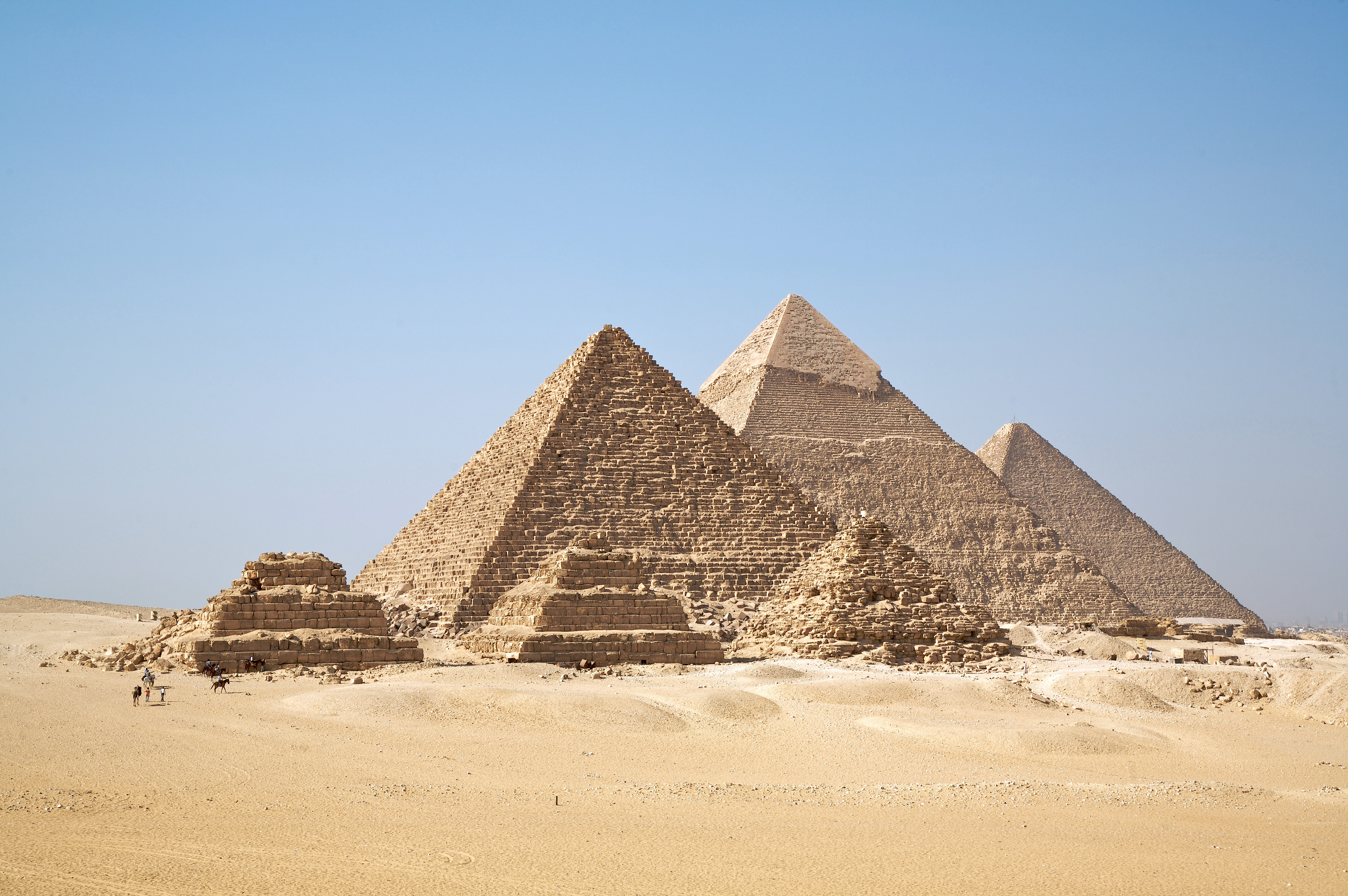
          Whenever we arrive in the book of Exodus, 430 years has passed between the days of Abraham and the time of Moses (see Galatians 3:17). The Jews, as we mentioned earlier, are enslaved by the Egyptians. The big pyramids you have seen in pictures of Egypt were likely built in part by the Hebrew people. They all were praying very hard to God for their freedom, with Exodus 1 stating: "and God heard their cry". God prepared a man whom He would use to redeem the people out of Egypt into the freedom that comes in knowing God - that man's name was, "Moses". 

2. Moses, called by God to redeem a people in slavery
Image result for Moses and the Exodus
     Moses' very name would come to describe the way God was going to use him (literally, “one who is drawn out"). As we observe in Exodus 1-2, when Moses was a baby, Pharaoh had made a law that all first-born Hebrew (that is, Jewish) males were to be killed. Moses' mother had his sister hide him in a basket which was specially prepared to float down the biggest river in Egypt - The Nile. As God planned it, Pharaoh's daughter found little Moses and instantly adopted him as her own son. 
Image result for Moses discovered by Pharaoh's daughter
     As a princess, Pharaoh's daughter hired a woman to help her take care of little Moses. Again, God's work was involved - for the very woman hired by Pharaoh's daughter was none other than Moses' own mom! Pharaoh's daughter named him "Moses" because, she said: "I drew him out of the water".

      We can conveniently divide his life (totaling 120 years) in three 40-year periods. Each 40-year period of Moses' life represents a major stage in his experience of God as God redeemed Moses and the Jewish people. As we look at Moses' life, you will find some applications for your own.

3. God's redemption involves preparing His people for carrying out His calling on their lives.
Image result for Moses in Egypt
       In the first 40 years of Moses' life, we find God preparing Moses. God used Moses' mother to speak the words of God into him. Moses knew he wasn't an Egyptian. Instead, he understood himself as a Hebrew - a descendant of Abraham, Isaac and Jacob. God also used the education and royal court life to teach Moses valuable leadership skills that he would need later when leading Israel in the desert. God also used Moses' passion to alert him to the needs of his fellow Hebrews.

      Are you in the stage of life where God is preparing you? God's work of redemption not only involves "saving you from" sin and judgement, but also "saving you unto" a new life with God. As God was redeeming the Jewish people to follow Him as a people, He also redeemed Moses from the shame of the past to prepare him to do what God called him to do.

4. God's redemption includes maturing His people to grow in their relationship with Him.
Image result for moses becomes a shepherd
       Moses lived in Egypt for the first 40 years of his life. He was prepared by God in the gaining of skills he would need much later in life. However, Moses needed to mature. He one day observed an Egyptian officer beating a Hebrew slave (Exodus 2:11-14). Moses' anger arose within his heart. He murdered the Egyptian, hiding him in the desert sand. Soon, everyone, including Pharaoh, knew about Moses' act. Consequently, Moses fled from Egypt into a dry desert called "Midian". Moses would get married and shepherd sheep for his father-in-law Jethro for 40 years.

              This second 40-year period of time was God's way of taking Moses from preparation to maturation. Moses needed to learn how to serve before he could lead. He needed to develop skills for shepherding sheep before he could ever shepherd people. He had to harness that temper of his rather than let it get the better of him (which he still struggled with once he led Israel). He had to understand life in the wilderness, since he would lead an entire nation through a wilderness for the final 40 years of his life. Most important to Moses' second 40-year period of maturing was finding contentment in being alone to gain sensitivity to the things of God.

              If you are a Christian, you should be in the process of maturing and growing in your faith. When Jesus purchased your salvation on the cross, the work God would do in maturing every believer was included in that redemption (see 1 Corinthians 1:30). In Egypt, Moses relied on what he could possibly do. In that wilderness, shepherding his father-in-law's sheep, Moses was matured to understand that, by himself, he could do nothing unless God were with Him. Many of the same sort of lessons are given to Christians, such as "I can do all things through Christ who gives me strength" (Philippians 4:13). God will use tough times, relationships, His Word, prayer, church and circumstances to grow us in our faith (see 2 Corinthians 4:16-18; Ephesians 4:11-12; 1 Peter 1:6-7).

5. God's redemption aims to launch      His people to fulfill His calling on      their life.
Image result for moses leading the israelites through the desert
            The third 40-year period of Moses' life was where God launched Moses to fulfill God's calling on his life. Whenever we speak of God's calling, we refer to that urgent impulse in our hearts that makes clear our purpose on the planet. Let me ask you: "have you ever thought about what your purpose on this planet?" Stated another way: "why does God have you here?" God has some of you reading this post in a stage of preparation right now. As you grow, He will mature you to be the man or woman of God He is calling you to be. There will come that moment, like Moses, when God's preparation and maturity of you becomes a launching of you to fulfill His calling on your life.
Image result for moses burning bush
      Moses' day of launching had come in the form of God speaking to him by a burning bush. It was a day like any other - except for one obvious detail - a desert bush was on fire but was not getting burned up! Finally! Moses had an exciting event in his otherwise same, daily routine of leading sheep from one grassy spot to another. Moses walked over to check out why the bush was not incinerated by the blazing fire when, suddenly, a booming voice echoed from the bush! God Himself spoke to Moses, revealing to Moses that He alone was God and that He had heard the cries of His people (Exodus 3:7-14).

      God launched Moses by telling him His personal Divine name (“I am who I am” or “Yahweh”). Furthermore, He had a job for Moses to do: "go tell Pharaoh to let my people go". Moses made excuses for why he was not the right man for the job, however, God convinced a reluctant prophet (Exodus 4:10-17). So, Moses went back to Egypt, reunited with his family and his people. God worked ten plagues through Moses and his brother Aaron, yet, Pharaoh would resist their requests to release the people from slavery. It was the final plague that had Pharaoh seemingly surrender, letting Moses and the people flee from Egypt 
Image result for moses crossing the red sea
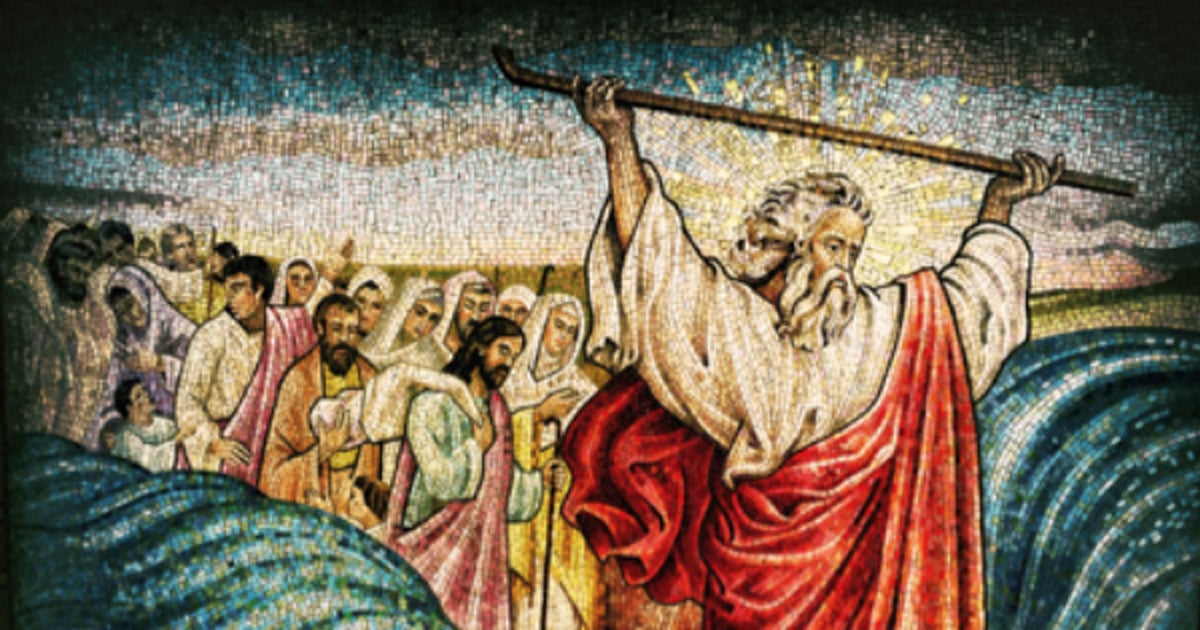
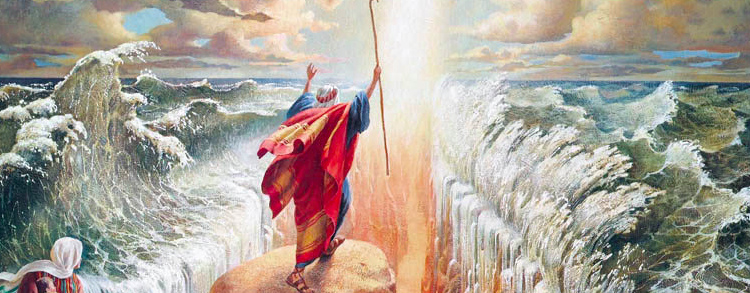
          However, Pharaoh changed his mind and commanded his armies to pursue the nearly 2 million Hebrew people and Moses, who were nearing the Red Sea (Exodus 14). God did a miracle and parted the Red Sea so that Moses and the people could cross on dry ground to the other shoreline. As soon as it became daybreak, Pharaoh and his armies were beginning to cross when Yahweh (remember, that is God’s personal name) caused the Red Sea to drown the Egyptian army. The Exodus was complete. The Hebrew people were no longer slaves of Pharaoh. Now they were the treasured possession of God Himself (Exodus 20:1-2). However, the journey through the desert was going to begin.
Image result for the tabernacle of moses
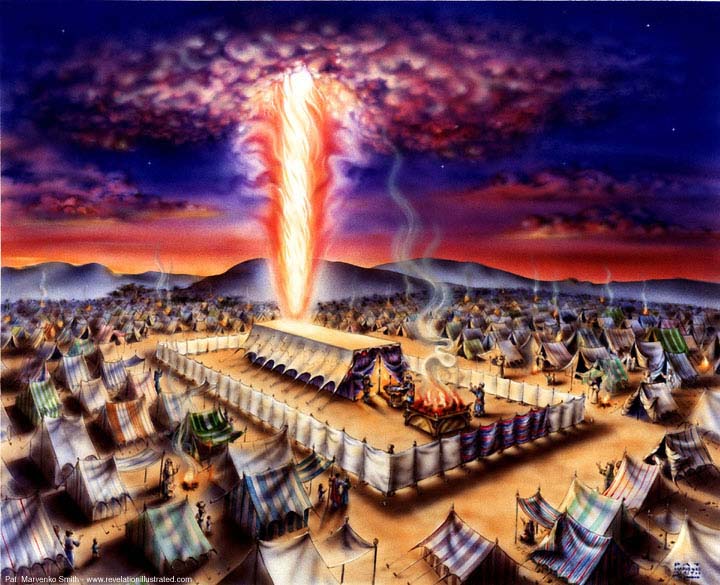
             God revealed to them their identity, the ten commandments and the place they would worship Him - called "the tabernacle". God would provide food by raining bread from the sky (called "manna"). Sadly, the people complained and sinned greatly against God and Moses. The remaining forty years from the giving of God's law at Mount Sinai until they reached the Eastern banks of the Jordan River involved wandering through a wilderness.  The trip should had taken about two weeks, yet, the sin of the people cost 40 years. Furthermore, at one point, Moses' temper got the best of him and God prevented him from entering the promised land. 
Image result for breaking of the ten commandments
                Just as Adam and Eve had broken the first Covenant given by God, with consequences of sin, death and separation from God, so we find Israel breaking God’s covenant with them. The account of Israel wandering through the wilderness was due to their heeding the advice of spies sent by Moses to survey the promised land which God had told them to eventually travel. Whenever the twelve spies returned, ten of the twelve said it was an impossible journey. The people listened to the advice of the ten spies. Consequently, that particular generation was forbidden by God to enter the promised land (see Numbers 13). 

     The failure of the ancient Israelites echoes what we saw back in Genesis 3. Thankfully, God's basis for the salvation of His people was not rooted in the Law, but rather in His loving grace He revealed when He rescued them from Egypt. Furthermore, God made a covenant with Abraham to bring about a nation, which He had no intention of breaking. Moses would conclude the final months of his life preaching to the people to continue following God by faith as they heeded the commands God gave them. Moses, the man of God, died at 120. A remarkable stage in Israel's history was done.

Sunday, February 9, 2020

Bird's-eye view of the Bible: the theme of the patriarchs - God's plan of salvation revealed through Noah, Abraham, Isaac and Jacob

Image result for Abraham
Introduction:

       We continue on with our theme-by-theme survey of the Bible that we are calling: "a bird's-eye view of the Bible". So far, we've journeyed through the themes of creation and catastrophe. Readers can review the last post on the theme of creation here: http://www.growingchristianresources.com/2020/01/birds-eye-view-of-bible-theme-of.html and the theme of catastrophe here: http://www.growingchristianresources.com/2020/02/birds-eye-view-of-bible-theme-of.html

       Both of these major themes comprise the first eleven chapters of the Book of Genesis. Genesis 1-11 covers the greatest span of time in the Bible (at least 1656 years). Whenever we study Genesis 1-11, we introduced to virtually every major truth we encounter in scripture. Some of those fundamental truths we find in Genesis 1-11 are: creation (1-2); sin (3); death (4); walking with God (5); grace (6); judgment (6-7); mercy and promise (8); covenant (9); nations of the earth (10); God's providence (11).  There are many more truths we could mention, however we must move onto the third theme in our study which will cover the remainder of the Book of Genesis: the theme of "patriarchs".  

Our journey from creation through catastrophe to the patriarchs        
 Image result for creation     
        As we prepare to continue our flyover of the Bible, we keep in mind that, so far, we've experienced creation and the age of innocence. Remember, whenever God created and made everything, there was no sin or death. He had made an original covenant (remember what that was? A binding promise) with Adam and Eve for the sake of their relationship with Him. Their testing came whenever the serpent, Satan, tempted them in the Garden of Eden, resulting in their failure or Fall. Sadly, catastrophe had struck.  Consequently, the fall of Adam and Eve spelled out a Divine curse of sin and death on all people (see Romans 5:11-21). 
Image result for sacrifical lamb

       Thankfully, God issued a second covenant, the covenant of grace, which they received by faith and included the death of innocent sacrifices on their behalf - all done because of God's grace (Genesis 3:15,20-21; Hosea 6:7). The short time-frame of innocence gave way to what is called by some: "the age of conscience". God would continue to preserve the moral and physical life of sinful human beings through their consciences. The conscience is that sudden joy you feel when you've done something right or that sudden unhappiness you feel when you've committed a sin. 
Image result for the conscience
      God the Holy Spirit extends common, non-saving grace to all people by preserving mankind from being as bad as he possibly could-be by way of the moral law written on the conscience (Romans 2:14-15). The work of the Spirit in regulating the boundaries of mankind's rebellion by way of the conscience is first seen  between the Fall of Genesis 3 until we arrive at Noah in Genesis 6. What of course is needed is that specific, saving work of the Holy Spirit that draws individual sinners in saving faith to the promises of God's salvation (Old Testament) and saving faith in the Personal Savior of salvation, Jesus Christ (John 16:8-12; Acts 4:12). 

       As we journeyed through Genesis 4-11, we observe the spreading of the catastrophe of the Fall. Cain murdered Abel, signaling that the disease of sin was far worst than ever imagined. Adam and Eve would have another son, Seth, from whom would begin a series of nine other generations of humanity we find listed in Genesis 5-9. Two other catastrophes were mentioned in our journey: the world-wide flood of Noah in Genesis 6-9 and the Tower of Babel in Genesis 10-11. 
Image result for scales of justice
            God would to set forth the third age of history and another means of exercising His providential care over mankind, called by some: "the age of government". Romans 13:1 tells us that God was the One who instituted government. God also reissued a version of the covenant of Grace with Noah after the flood, pledging to never again destroy the world with a flood. Noah and his wife would have three sons: Shem, Ham and Japheth, whom each would function as the three sources of humanity's seventy original nations. One new theme emerges, beginning with Seth through the ten generations up to Noah and another ten generations to a very important man, Abraham, namely: “the theme of patriarchs”.

What is a patriarch?
     
       A patriarch, in the Biblical sense, refers to a God-appointed founder of the nation of Israel or first-example of what it means to walk by faith. We will meet and learn about the patriarchs Noah, Abraham, Isaac and Jacob. Exploring the patriarchs is important to growing in our understanding of the Bible. God’s covenant with Noah was a promise to never again destroy the world with a flood. His covenant with Abraham would bring about the nation of Israel and ultimately prepare for the coming of Jesus. Many lessons about faith and life are learned by watching how the patriarchs responded to God.

Who are patriarchs and why they’re important?
Image result for Noah and the ark
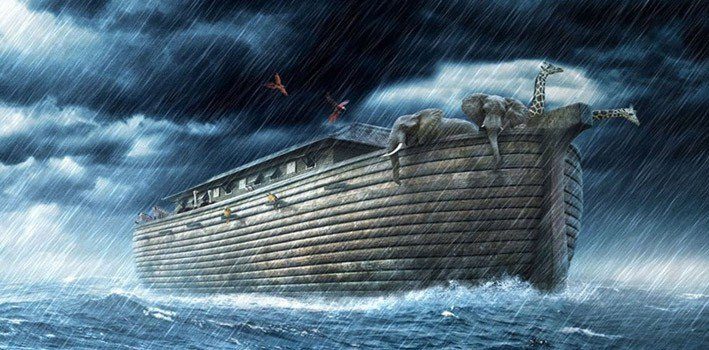
      In the Bible, we see God choosing, calling and guiding certain men to function as patriarchs. Sometimes we can speak of pre-flood patriarchs such as Adam, Noah and Seth. When it comes to the patriarchs after the flood, we draw another set of lines, beginning with Noah's son Shem to eventually what would be three "post-flood" patriarchs: Abraham, Isaac and Jacob. Noah would come to represent the most important of the "pre-flodd" patriarchs. If we draw a line from Noah to Abraham, we have exactly ten generations, representing an unbroken line of people who carried the message of God's salvation (shedding of innocent blood on the behalf of the guilty, reception of salvation by faith). 

The most important of the post-flood patriarchs: Abraham
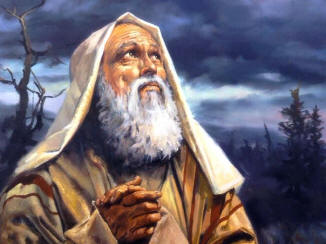
Image result for abraham of the bible
       We first meet Abraham at the end of Genesis 11. Abraham was a normal guy who lived in a pagan city. It is in Genesis 12 that we see God choosing and calling of Abraham to move from the city of his birth to a far-away country (Genesis 12:1-7). God's plan of salvation, as we already saw, had involved a covenant of grace which He made originally with Eve back in Genesis 3:15. 

      The pattern of salvation would involve God bringing about the Savior of mankind through a specific part of humanity. God had narrowed down the specifics of His plan from humanity in general (Adam and Eve) to a portion of humanity (Noah and Shem) to then a person (Abraham). Abraham was promised that God would make him a blessing to all the nations. God chose Abraham and Sarah to be the beginnings of his chosen people, the Hebrews, whom He would make into the nation of Israel. Although they both were beyond child-bearing age, and Sarah herself was incapable of having children, God nevertheless demonstrated that nothing is impossible for Him (Genesis 18).
Image result for cross of Jesus

            The covenant God made with Abraham contained three elements:  a land, a blessing and a descendant. The land part would become the nation of Israel. The blessing God promised to Abraham would turn into the Gospel of salvation being offered to all the nations (see Galatians 3-4). The promise of descendants would first result in the coming forth of the Jewish people and then ultimately Jesus (see Galatians 3). 
Image result for salvation by faith alone
      God's covenant with Abraham also included a symbol which would distinguish Abraham and his future descendants from every other people group - circumcision (circumcision is a form of minor surgery performed upon every male child shortly after birth). All covenants in the Bible have some sort of "symbol" or "sign", an oath of promise and blessings or curses (see Hebrews 6:9-18). Since God's covenant with Abraham was an expression of God's covenant of grace, that meant Abraham and any of his future descendants would need to embrace God's promises by faith. Abraham would trust God by faith (Genesis 15:6), therefore giving us a reminder of how we receive salvation: by grace through faith apart from doing good things (please see Ephesians 2:8-9; Titus 3:4-5).

Meet the rest of the Patriarchs: Isaac and Jacob
Image result for Jacob and Esau
     As we move forward, one of Abraham's sons, Isaac, would become the heir of all the promises God made to Abraham and thus be our next patriarch. Isaac’s story is not as long and detailed as Abraham’s, however, Isaac and his wife Rebekkah would have twin sons: Esau and Jacob. God already had decided to choose Jacob, rather than Esau, as the next patriarch who would carry on the promised covenant of Abraham. Although God chose Jacob, he still needed to respond to God’s call by faith (see Genesis 28). 
Image result for by grace through faith
       Jacob and Esau both illustrate the twin truths we find throughout the Bible: God's gracious work in drawing sinners and man's responsibility to receive the gracious work. Both Esau and Jacob had equal exposure to God’s promises, yet, Esau's missing out on the promise of God is due to Esau's willful choice to reject God's covenant promises offered to Him in the covenant made with his father (Isaac) and grandfather (Abraham). Consequently, Esau would end up rejecting his right to inherit as the oldest son, symbolizing that in his heart, Esau had also rejected God’s well-meant offer of salvation (Hebrews 12:16). 
Image result for salvation is of the Lord
       Jacob, on the other hand, responded positively to God's gracious salvation through that same set of covenant promises we witnessed with Abraham and Isaac. Why? Scripture uniformly credits God's grace as the reason (see Malachi 1:2; Romans 9:6-18). God would orchestrate a dramatic encounter with Jacob in Genesis 32, followed by a change in his name to that of: “Israel”. Jacob (also called, “Israel”) would end up as father of twelve sons, each becoming patriarchs or founders of the twelve groups or tribes of Israel. Jacob and Esau are used extensively through the Old and New Testament to illustrate how God works in salvation per His gracious plan and the need for individuals to respond in faith to that gracious plan.

Applications we can glean from consideration of the patriarchs

     As God continued to work with mankind, He did so not only through conscience and government, but also through the patriarchs (Abraham, Isaac and Jacob). God's gracious choice of Noah over other men of his era, Abraham over his siblings, Isaac over his brother Ishmael and Jacob over Esau reminds us of the truth repeated throughout the Old and New Testaments: "salvation is of the Lord" (Psalm 3:8; Isaiah 45:17; Jonah 2:9-10; Romans 10:6-15; Ephesians 2:8-9). We see equally presented the need for individuals to respond to the Spirit's call to believe, repent and be saved from their sins and the wrath of God to come (Acts 2:36-37; 17:31; Romans 5:6-9; 1 Thessalonians 1:9-10). Such truths about human salvation found in Genesis 12-50 are still the basis for how God the Holy Spirit works forth in calling forth individuals to Himself to believe on the Lord Jesus Christ for their salvation (John 16:8-12; Romans 10:9-15). The next theme we will consider in our ongoing study is that vital theme of "redemption".